

Looking at the domestic landscape in China, competition in the EV charging market has reached a boiling point. As the industry enters a phase of quality-driven transformation, many players are feeling the pressure: business is getting harder, margins are shrinking, and incremental growth is no longer translating into higher profits.

In contrast, overseas markets are experiencing rapid, almost explosive growth. In regions such as Europe, Southeast Asia, and the Middle East, EV charging infrastructure is expanding at full speed, while the competitive landscape remains far from settled. From a pricing perspective, DC chargers of similar specifications can sell for two to three times more in overseas markets than in China, creating a rare “overseas premium” window for domestic companies.
Amid this wave of global expansion, Tengdian Technology is leveraging its deep understanding of international markets, clear strategic positioning, and extensive foreign trade experience. By replicating China’s mature EV charging service model, the company aims to build strong competitiveness in Europe and Southeast Asia, positioning itself as a specialized trade and service provider focused on global EV charging solutions.
Thailand has become TDC’s first strategic entry point into the Southeast Asian EV charging market.
According to a report by the International Energy Agency (IEA), EV sales in Southeast Asia grew by nearly 50% in 2024, making it one of the fastest-growing regions globally.
The ‘Green Transformation’ of the Detroit of Asia
As the largest automobile producer in Southeast Asia, Thailand had reached a new energy vehicle (NEV) penetration rate of 20% by October 2025. In comparison, it took China nearly a decade for EV penetration to grow from 0% to 50%, whereas Thailand achieved a leap from 1% to 20% in just three years—clearly positioning it as one of the most promising markets for the transition from internal combustion to electric mobility in Southeast Asia.
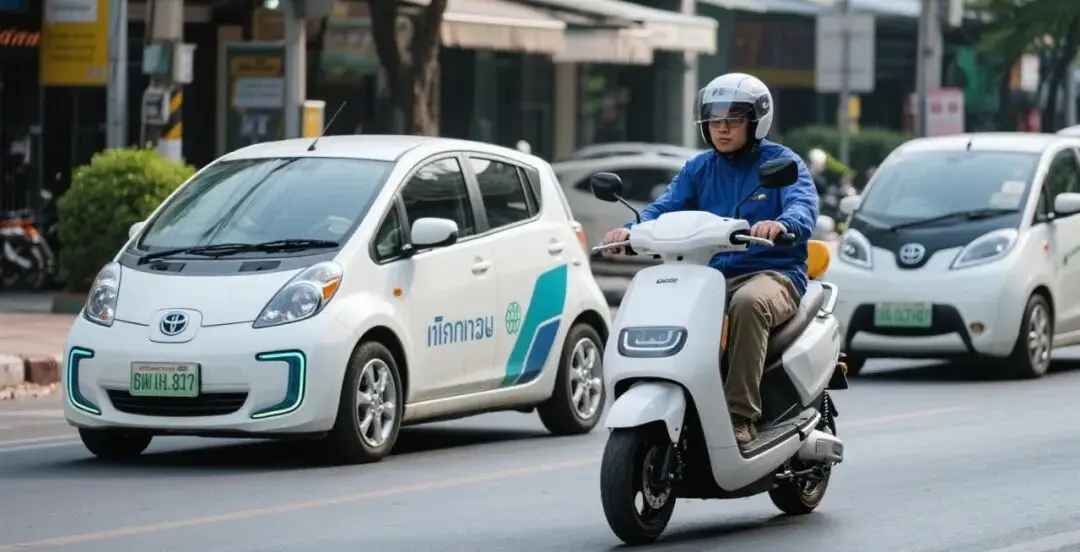
This rapid growth has been strongly driven by government policy. In 2021, Thailand introduced the “30@30” policy, aiming for electric vehicles to account for 30% of total automotive production by 2030. The government also offers subsidies of up to THB 100,000 for consumers purchasing EVs, while requiring automakers to progressively increase local production. By 2027, the target ratio of imported to locally manufactured vehicles is set at 1:3.
Companies that meet these requirements can benefit from tax incentives of up to double the standard reduction (with no price cap), while imported models are eligible for a 1.5× tax reduction.
Following the rollout of these policies, automakers such as BYD, GAC, Changan, and Chery have established manufacturing facilities in Thailand. Meanwhile, brands including Geely, XPeng, Leapmotor, IM Motors, and Wuling have entered the market through vehicle exports. Within just a few years, Chinese brands have captured over 70% market share in Thailand.
Vehicles Are on the Road—But Where’s the Charging Network?
As EVs rapidly take to the streets of Bangkok, local charging infrastructure is struggling to keep pace. Current data shows that Thailand’s market has yet to form a dominant player, leaving the competitive landscape relatively open. At the same time, the vehicle-to-charger ratio remains highly imbalanced, highlighting a significant gap in charging infrastructure.
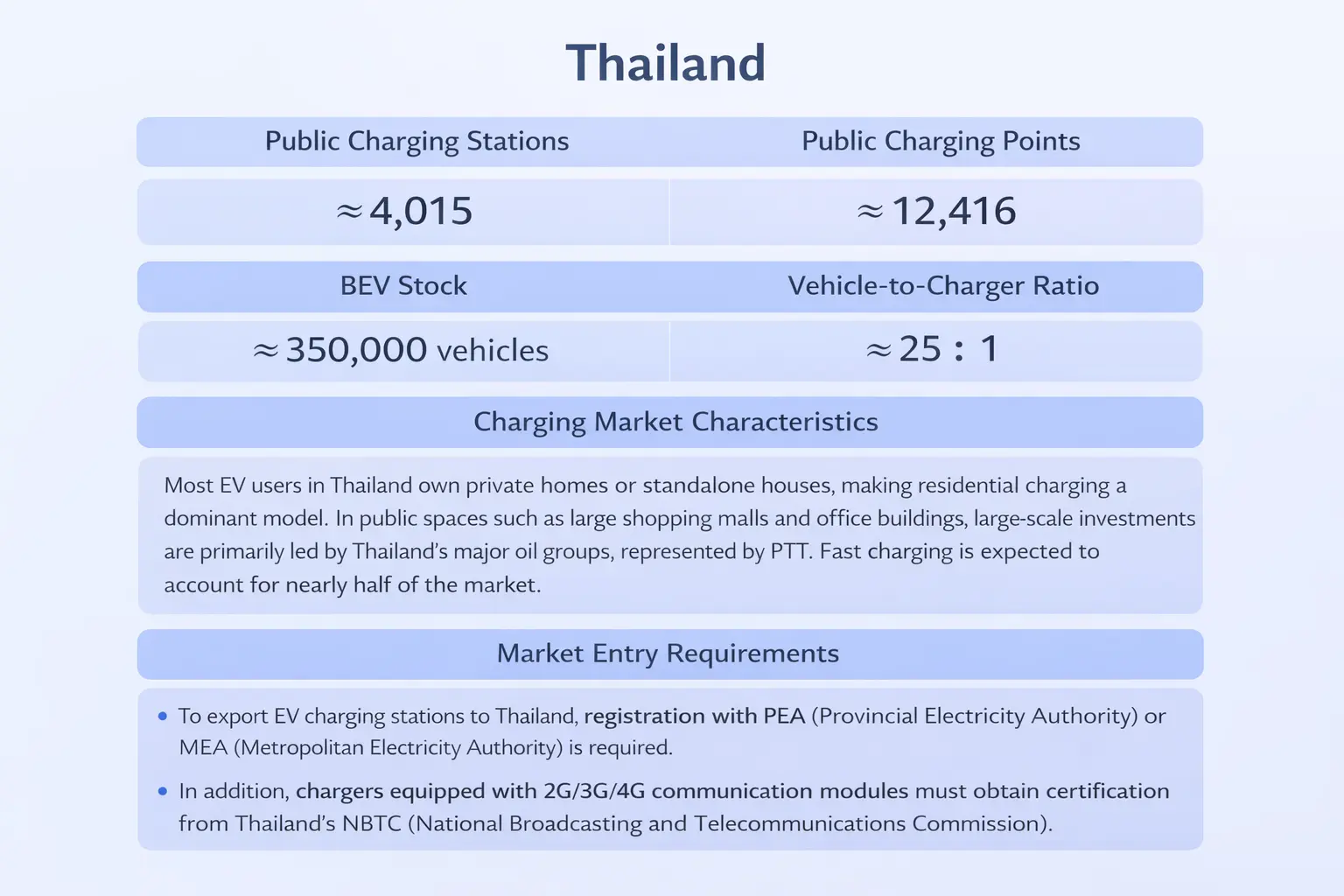
To accelerate the development of a nationwide charging network, the Thai government has been making strong and proactive efforts.
Tariff Exemptions
Import duties on products such as photovoltaic systems, energy storage, and EV charging equipment are exempted through 2027.
Investment Subsidies
Up to 50% of investment costs for charging station construction can be subsidized, with a maximum of THB 2 million per site (approximately RMB 400,000).
Corporate Income Tax Incentives
Private companies investing in EV charging stations with at least 40 charging points, and where DC fast chargers account for over 25% of the total, are eligible for a 5-year corporate income tax exemption.
Starting from Bangkok and expanding across Southeast Asia reflects TDC’s precise strategic vision for overseas market growth.
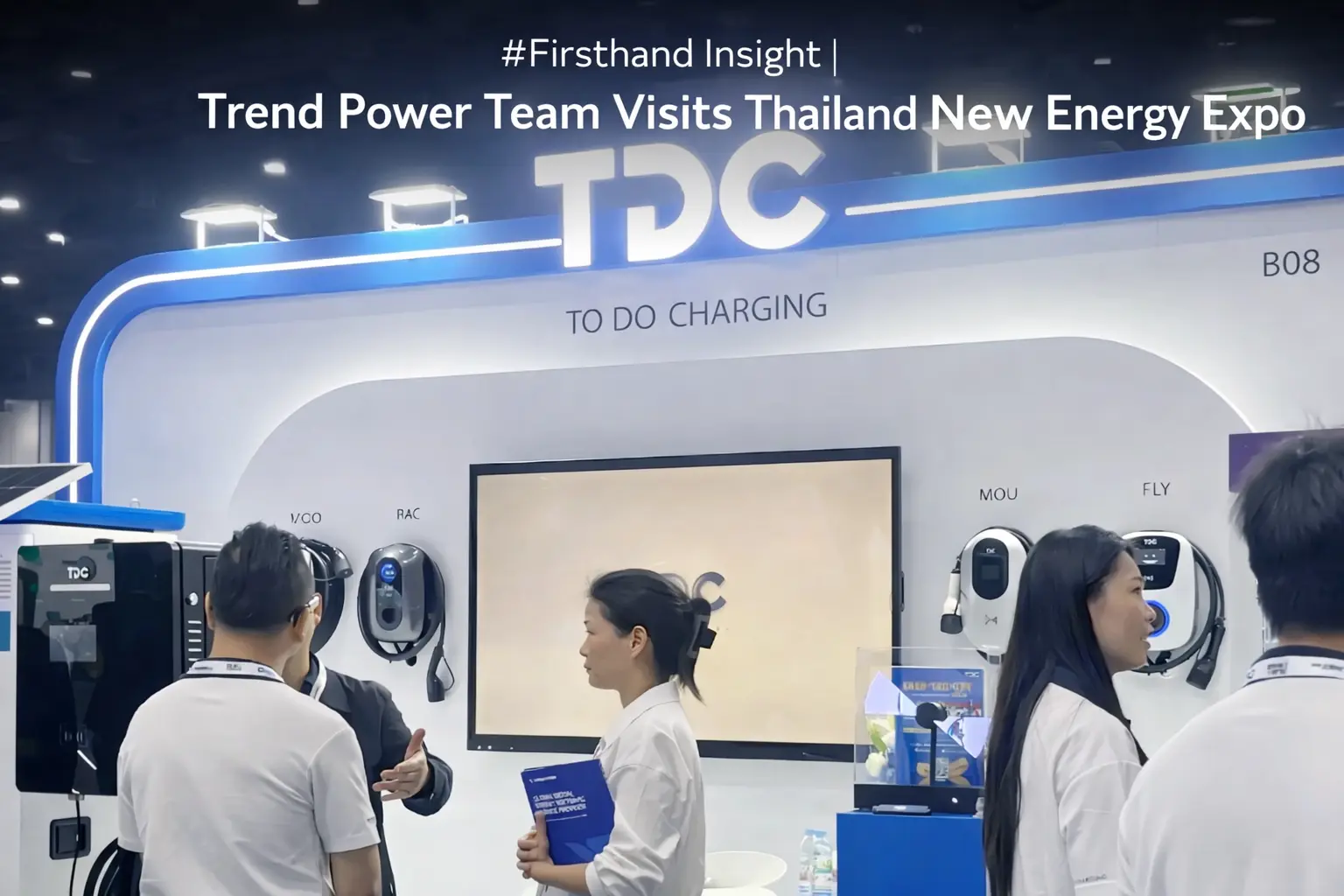
It is reported that earlier this year, TDC made its debut in Thailand’s new energy exhibition, showcasing domestically developed EV charging equipment. As a software service provider focused on the global EV charging sector, TrendPower also conducted on-site visits at the exhibition to gain first-hand insights into market trends in Southeast Asia.
Deploying in Thailand, Empowered by Software to Unlock Higher Value
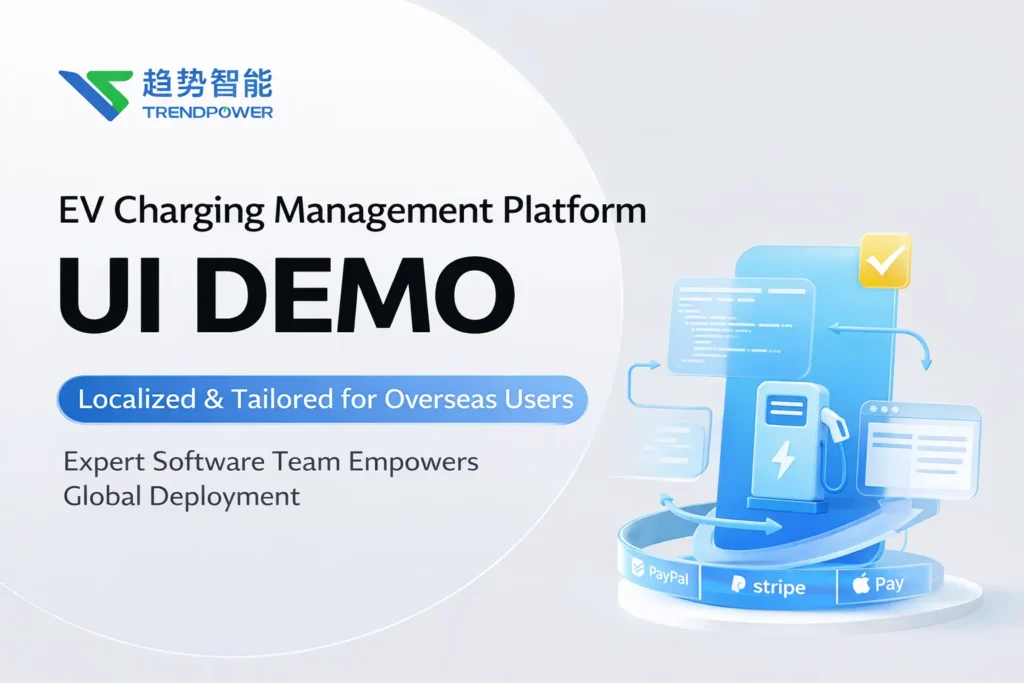
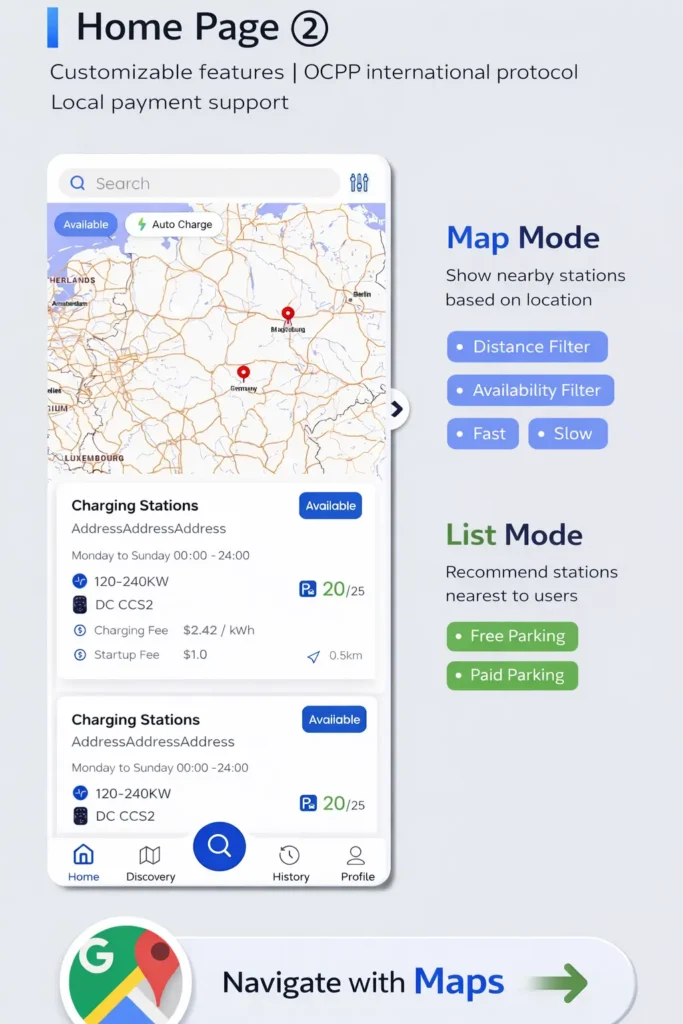
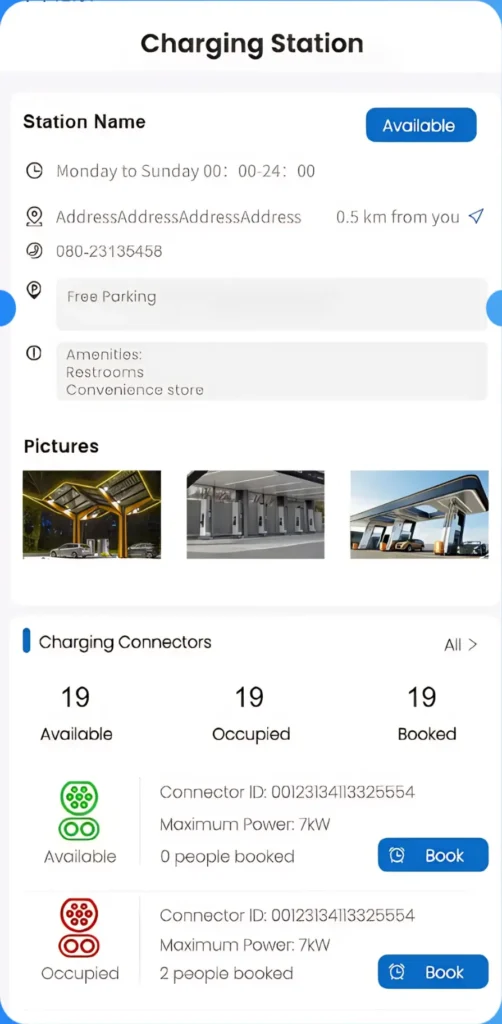
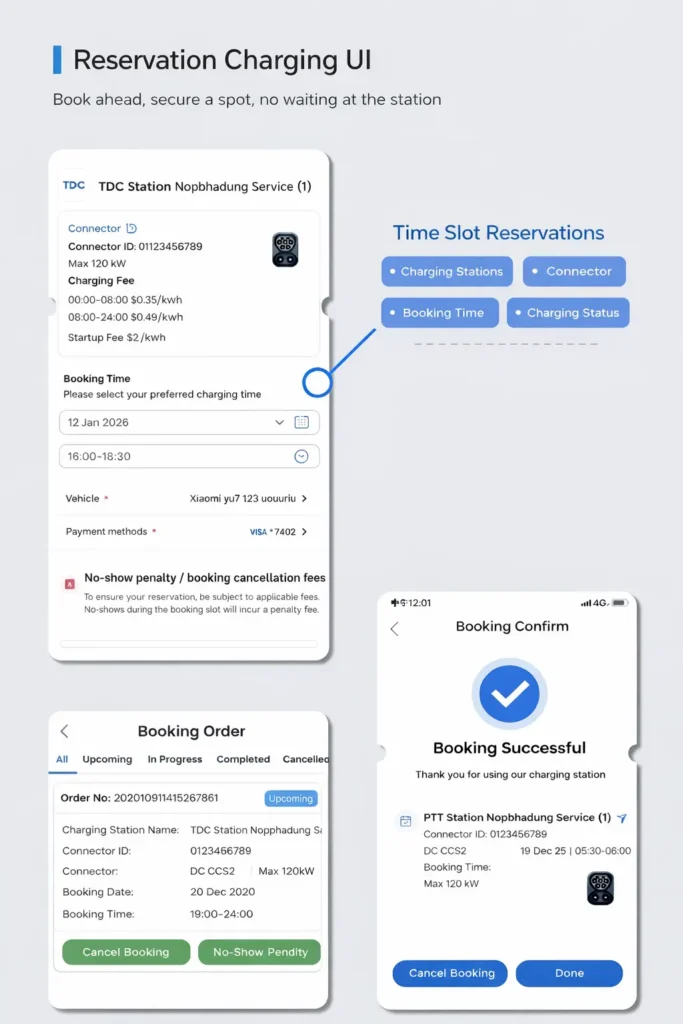
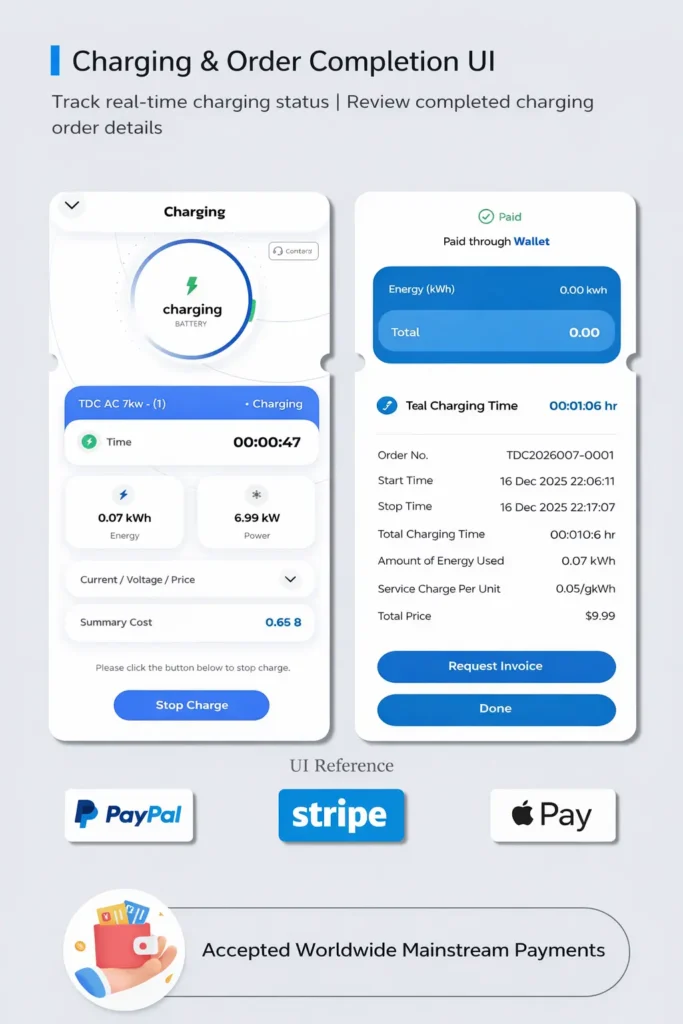
To support its partner TDC in successfully deploying EV charging projects in Thailand, Trend Power will leverage its strengths in digital and intelligent software solutions, along with its global service experience, to provide a one-stop solution—from server deployment to compatibility with overseas hardware protocols.
The platform will establish a Thailand-specific charging operations system, compatible with the OCPP 1.6 standard for international deployment. It delivers full-chain localization support, covering language adaptation, overseas payment integration (including PayPal, Stripe, and Apple Pay), as well as comprehensive charging station operations and management.



 EN_GB
EN_GB  EN
EN  ZH
ZH  AR
AR  DE
DE  ES
ES  KO
KO  JA
JA  IT
IT  FR
FR  VI
VI  MS
MS  ID
ID  FR_CA
FR_CA  NL
NL  SV
SV  TH
TH 