
PV-ESS-Charging Solution for Smarter, More Flexible EV Energy Infrastructure
Integrate photovoltaic generation, battery energy storage, EV charging and intelligent energy management into one coordinated system—designed to help commercial and industrial charging sites use energy more efficiently, manage peak demand and scale charging around real site constraints.
What Is a PV-ESS-Charging Solution?
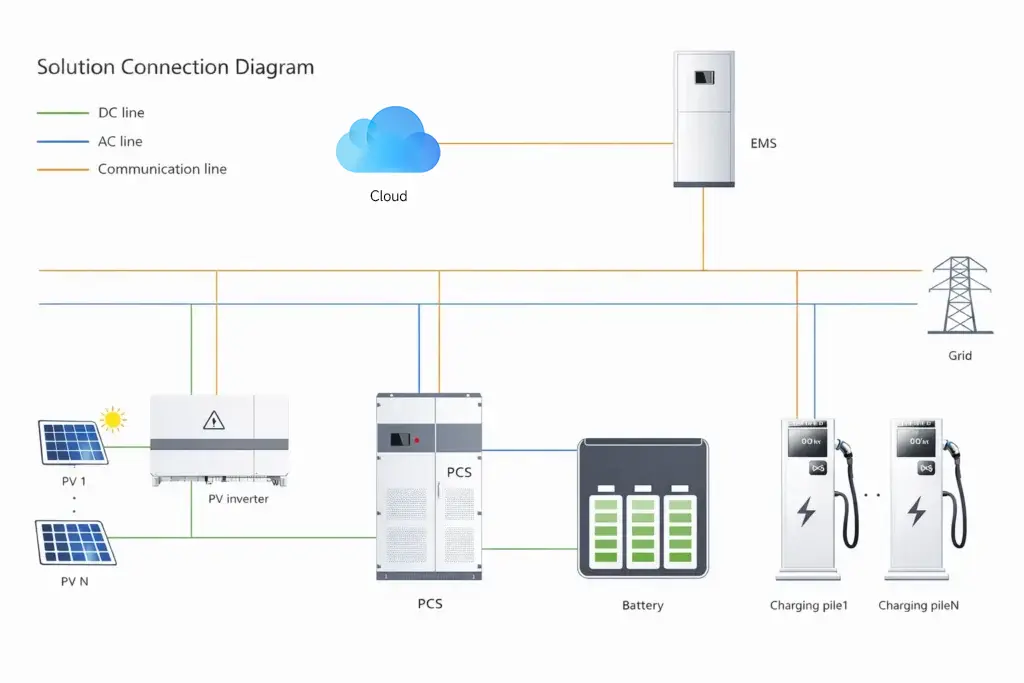
A PV-ESS-Charging Solution combines photovoltaic solar generation, battery energy storage, EV charging equipment and an Energy Management System into one coordinated site-energy architecture. Instead of treating chargers as a standalone electrical load, the system can coordinate solar production, stored energy, utility power and charging demand according to operating priorities, grid limits and electricity tariffs.
Solve More Than One Charging-Site Energy Problem
The strongest PV-ESS projects are designed around measurable site constraints: electricity tariffs, grid capacity, charger utilization, renewable-energy availability and future expansion plans.

Reduce Peak Grid Demand
Use battery dispatch to help shave short power spikes and manage demand charges when local tariffs and storage economics support it.

Use More Solar On Site
Store midday PV that is not needed immediately, then reuse that energy later when charging demand rises.

Support Constrained Grid Connections
Use storage as a power buffer when charger demand approaches the site’s grid limit, subject to engineering and system sizing.

See Where Energy Is Going
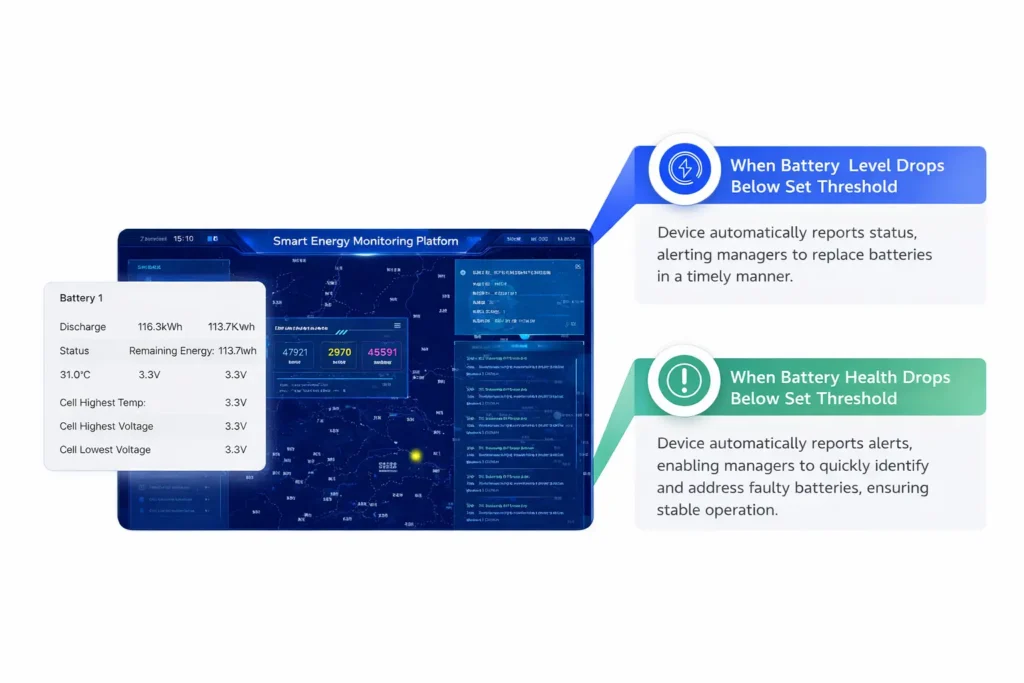
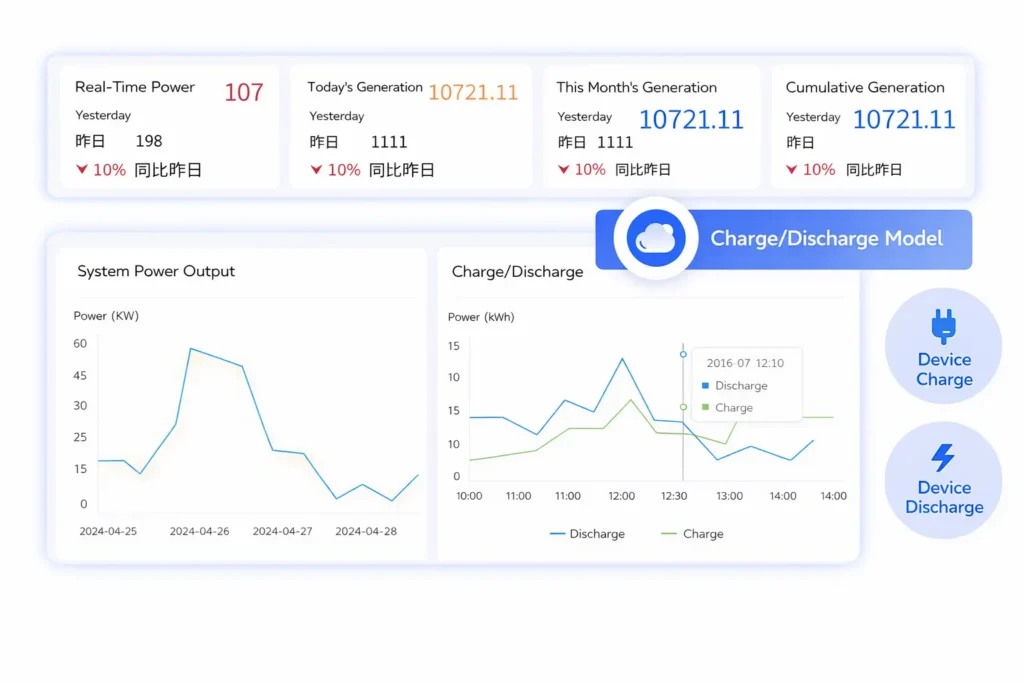
View PV, battery, PCS, grid and charging data together so operators can verify the strategy and spot abnormal behavior faster.
How a PV-ESS-Charging System Coordinates Energy
The system continuously evaluates available solar generation, battery status, charging load, site demand and grid conditions. Energy can be directed to immediate charging, stored for later use, or supplied by the utility grid based on the operating strategy configured for the project.
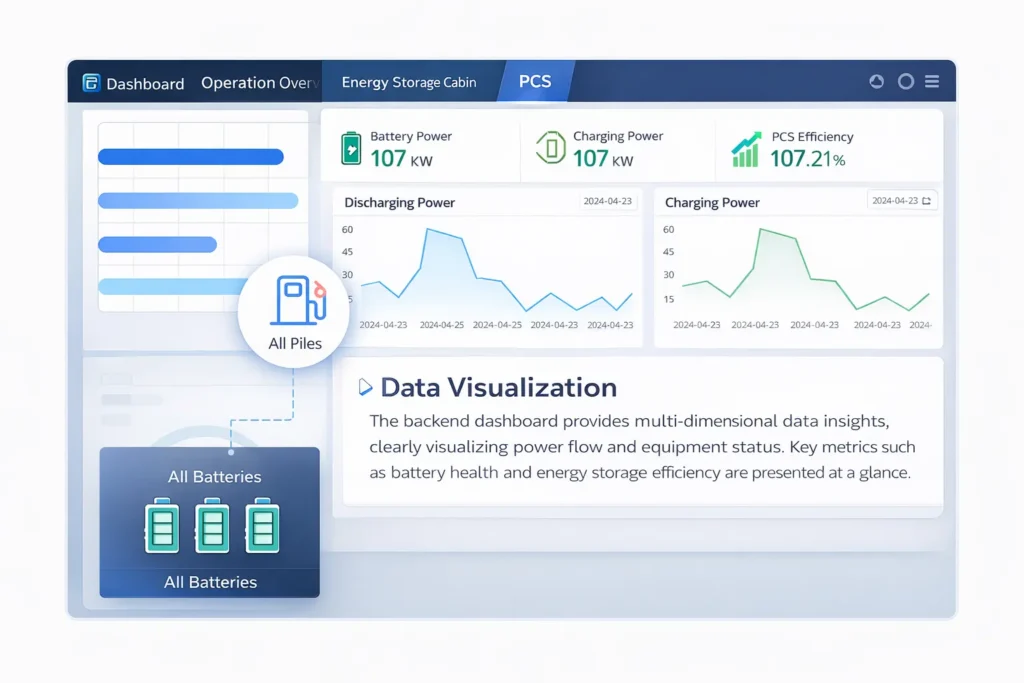
See PV, Battery, PCS and Charging Performance in One Operating View
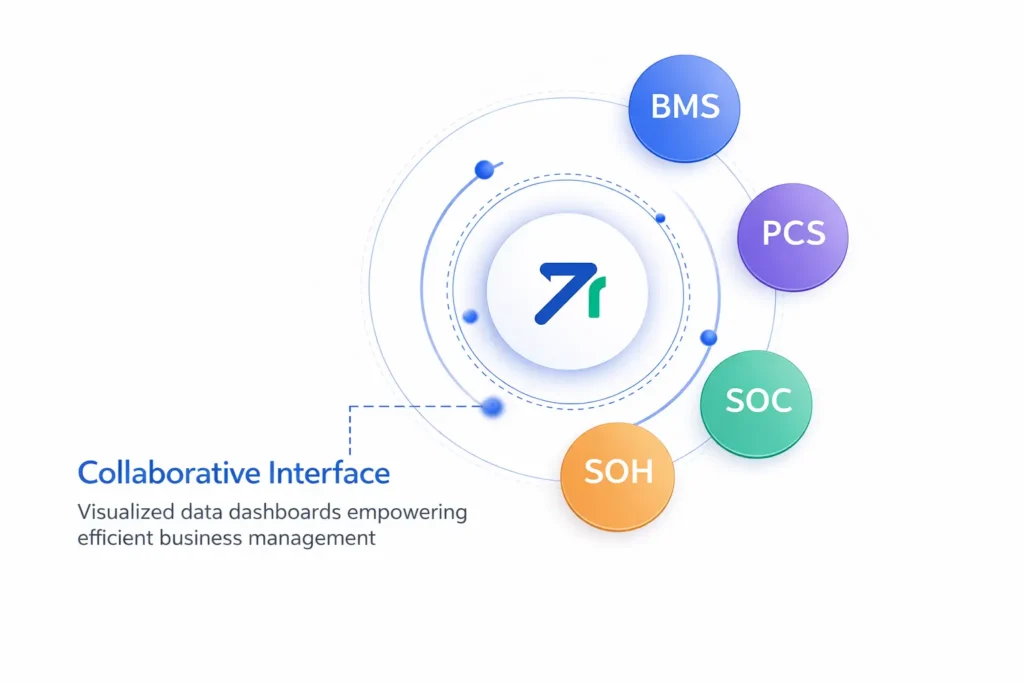
TrendPower’s current PV-ESS solution describes integration with BMS and PCS for real-time visibility into energy flow and battery performance. A unified dashboard can help operators understand what the site is generating, storing, consuming and delivering to EV chargers.
Operate the Energy System and Charging Assets as One Site
PV, ESS and charging equipment create more operational value when operators can monitor status, detect anomalies and coordinate maintenance across the complete energy chain.
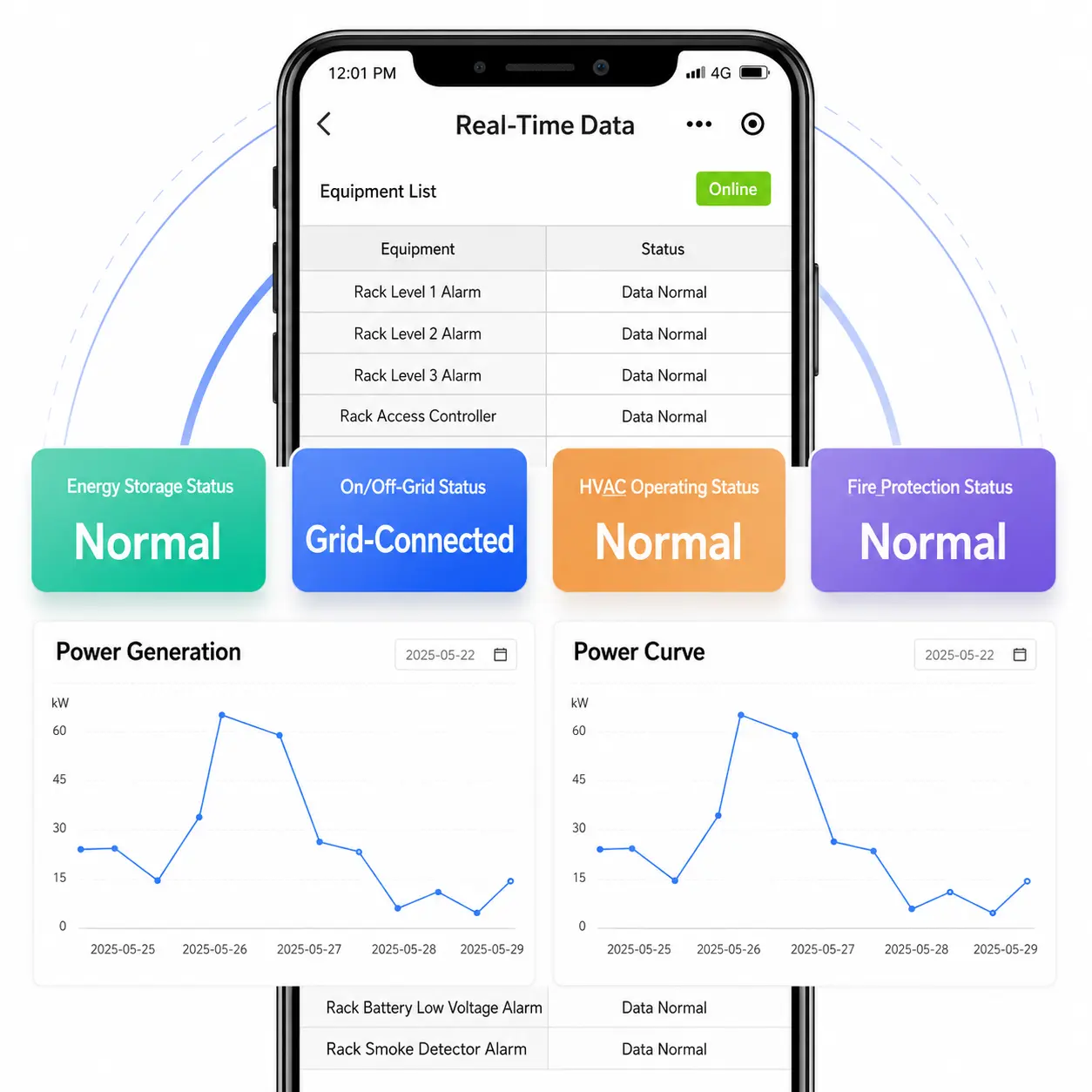
Monitor Critical Operating Data
Track storage and charging-system status remotely instead of waiting for site-level manual checks.
- Battery power, current and load data
- SOC / SOH and device operating states
- Charging, discharging, idle and offline status
Reduce Time to Diagnose Issues
Bring status and telemetry into one interface so operating teams can understand abnormal behavior before dispatching field resources.
- Remote operating-status visibility
- Fault event and alarm review
- Device-level troubleshooting context
Find Problems Earlier
Use system alerts and diagnostic data to identify performance degradation and hidden faults more efficiently.
- Early anomaly detection
- Faster fault localization
- More structured maintenance workflows
Configure Energy Strategy Around the Site—Not a Generic Template
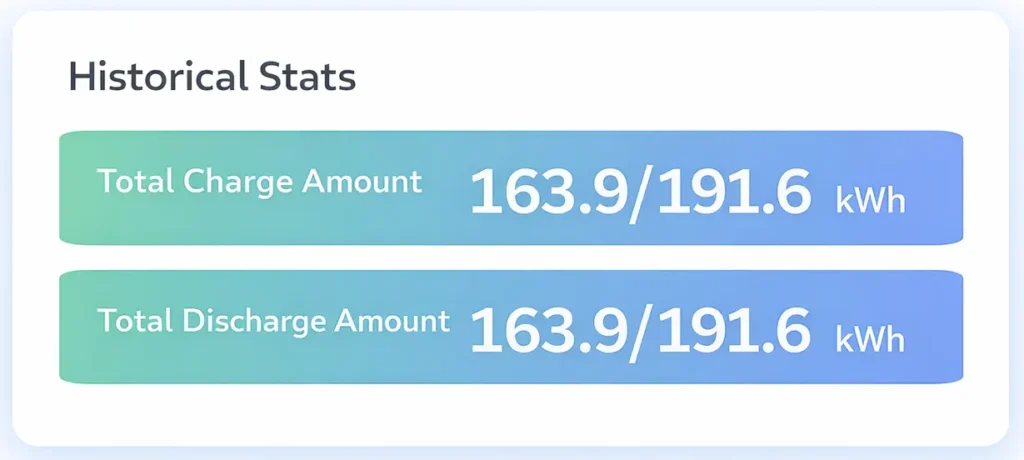
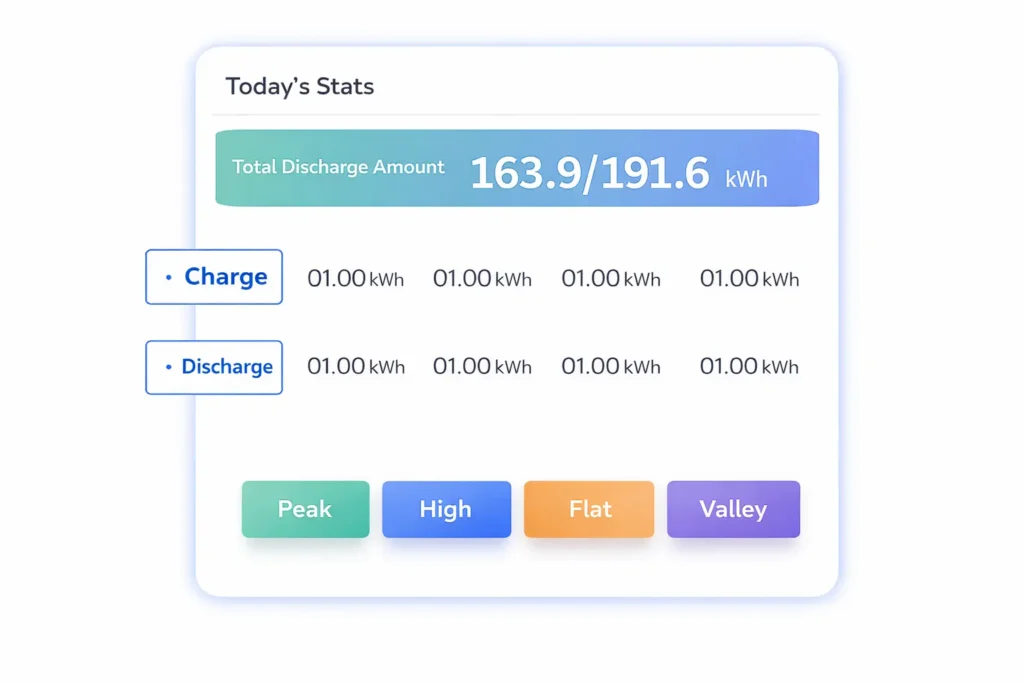
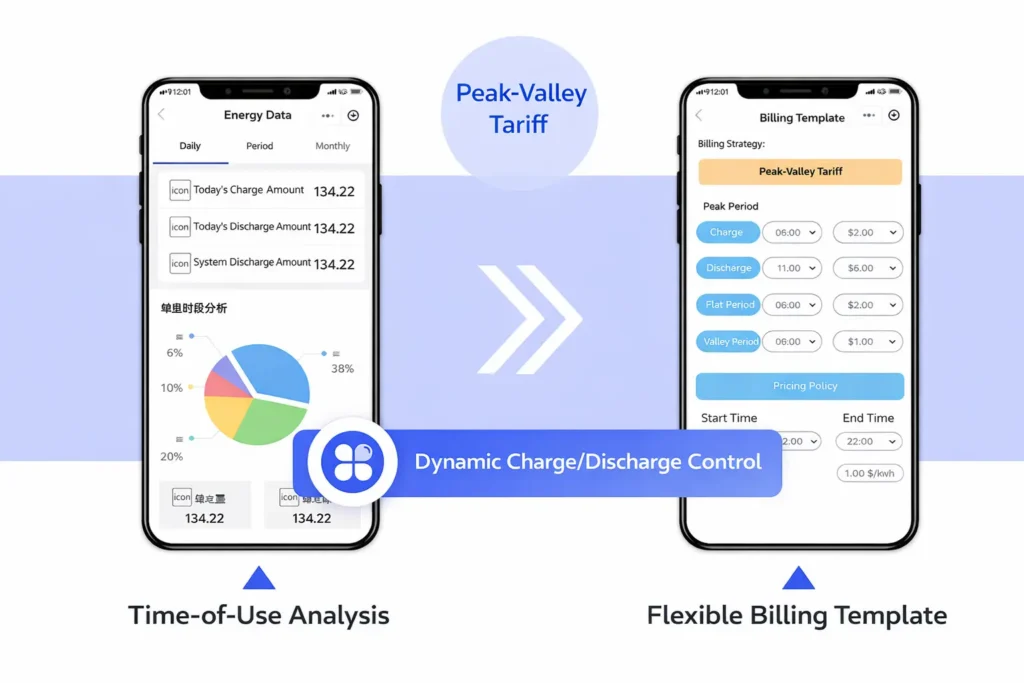
Electricity tariffs, solar output, battery capacity, charger utilization and grid limits vary by project. The EMS strategy should therefore be scoped around the actual site and commercial objective.
Solar-First Utilization
Prioritize available onsite PV for immediate loads or battery charging to increase renewable-energy utilization where the site design supports it.
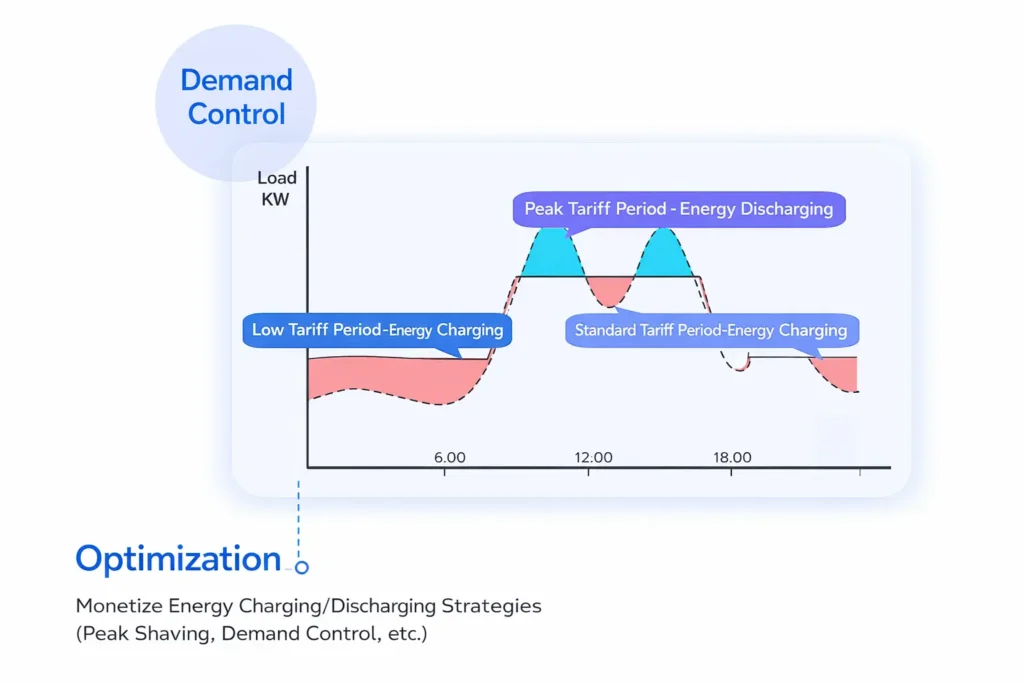
Off-Peak Storage & Load Shifting
Charge the battery during selected lower-cost periods and use stored energy later when electricity prices or site demand are higher.
Peak Shaving
Discharge storage during high-demand periods to help manage grid import and demand peaks according to system power limits.
Grid-Tied / Weak-Grid Strategy
Coordinate utility power with solar and storage to maintain charging availability when renewable generation or battery output is insufficient.
Where PV-ESS-Charging Creates the Most Practical Value
The right architecture depends on charging behavior, available solar area, grid conditions and the business case. These are common environments where integrated energy management can be valuable.
Public & Destination Charging Hubs
Support high-utilization charging sites where electricity cost, solar availability and peak demand directly affect operating economics.
Fleet & Depot Charging
Coordinate predictable vehicle return windows with stored energy, charging priorities and site power limits.
Industrial & Logistics Parks
Integrate employee, visitor or logistics charging with wider site solar generation and energy-storage assets.
Solar Carports & Parking Assets
Turn existing parking areas into a visible solar-generation and EV-charging asset with storage for better energy utilization.
DC Fast-Charging Sites
Use battery storage as an energy buffer for sites where sudden charger demand places pressure on the available grid connection.
Weak-Grid & Remote Projects
Evaluate solar and storage where utility upgrades are difficult, slow or expensive; final architecture depends on engineering and backup requirements.
What We Need to Size a PV-ESS-Charging Project
A credible system design should start with real site data rather than a standard battery or solar package. Providing these inputs helps define PV capacity, storage strategy, charger load and software scope more accurately.
Support From Integration to Long-Term Operations
PV-ESS charging projects require coordination across hardware, software, energy controls and site operations. TRENDPOWER can scope supporting services according to the project architecture.

On-Premises Deployment
Deploy the management software in your own environment when project, data-control or IT policies require it.

Third-Party Integration
Connect compatible BMS, PCS, meters and chargers, then validate data and controls through project-specific joint debugging.

Deployment & Maintenance
Support configuration, launch, monitoring workflows and ongoing technical coordination after the system goes live.

Ecosystem Coordination
Coordinate charging, storage, energy and delivery partners when the project requires several suppliers to work together.
Design a PV-ESS-Charging System Around Your Real Site Data
Send us your charger plan, grid capacity, electricity tariff, expected charging load and available PV conditions. We can help define the software, energy-management and integration scope for a practical project discussion.

PV-ESS-Charging Solution FAQ
Answers about solar EV charging, battery energy storage, EMS, peak shaving, grid constraints, monitoring and commercial project planning.
What is a PV-ESS-Charging Solution?
A PV-ESS-Charging Solution integrates photovoltaic solar generation, battery energy storage, EV charging infrastructure and energy-management software into one coordinated site-energy system.
How does a PV-ESS-Charging system work?
Solar power can serve charging loads or charge the battery. Stored energy can later support EV charging or reduce grid import, while the utility grid provides additional power when required. The EMS coordinates these energy flows according to the project strategy.
Can PV-ESS-Charging reduce electricity costs?
It can reduce energy cost where solar self-consumption, time-of-use tariffs, peak-demand management and storage economics are favorable. Actual savings depend on local tariffs, load profile, system sizing and operating strategy.
What is peak shaving in an EV charging site?
Peak shaving uses battery power during high-demand periods to reduce the maximum power imported from the grid. This can be useful at sites where demand charges or grid-capacity constraints are important.
Can battery storage support DC fast charging?
Yes. Properly sized battery storage can act as an energy buffer for fast-charging demand, helping reduce short-term pressure on the grid connection. Final capability depends on ESS power, capacity, PCS and charger requirements.
What does the EMS manage?
The Energy Management System can monitor and coordinate solar generation, battery SOC, PCS charge/discharge power, EV charging demand, grid limits and configured tariff or operating strategies.
What battery data can be monitored?
TrendPower’s current PV-ESS solution describes BMS monitoring for metrics such as battery State of Charge (SOC), State of Health (SOH), power and operating status, depending on the connected battery system and integration scope.
Can the system operate in weak-grid or off-grid scenarios?
Project-specific weak-grid or on/off-grid strategies can be evaluated. The final architecture depends on charging load, solar resource, storage capacity, electrical design, local regulations and backup requirements.
Is PV-ESS-Charging suitable for fleet depots?
Yes. Fleet depots can benefit from predictable charging windows, energy scheduling and storage-based peak management, especially when multiple vehicles return to charge around the same time.
Is PV-ESS-Charging suitable for commercial charging stations?
Yes. Commercial charging hubs, shopping centers, parking facilities, highway sites and destination charging locations can use PV and storage to improve onsite energy utilization and manage charging demand.
How should a PV-ESS-Charging system be sized?
Sizing should consider charger power and utilization, grid capacity, site load profile, electricity tariffs, available solar area, PV generation, storage goals, required backup duration and planned future expansion.
What information should I provide for a project assessment?
Provide charger quantity and rated power, expected daily charging demand, grid or transformer capacity, electricity tariff, site load profile, available PV installation area, target storage objective and preferred deployment requirements.
 EN_GB
EN_GB  EN
EN  ZH
ZH  AR
AR  DE
DE  ES
ES  KO
KO  JA
JA  IT
IT  FR
FR  VI
VI  MS
MS  ID
ID  FR_CA
FR_CA  NL
NL  SV
SV  TH
TH 