
 English (UK)
 English (United States)
 Chinese
 Arabic
 German
 Spanish
 Korean
 Japanese
 Italian
 French (France)
 Vietnamese
 Malay
 Indonesian
 French (Canada)
 Dutch
 Swedish
 Thai
In Q2 2026, TrendPower partnered with a Beijing-based company to deliver an EV charging operations platform for the Philippines. The project combines OCPP 1.6 charger connectivity, English–Chinese–Filipino interfaces, and Security Bank QR Ph payment integration in one localized software solution.
The goal was to help the partner move from exporting charging equipment to operating a charging business adapted to the Philippine market. Server deployment, hardware integration, user interfaces, billing, and local payments were addressed as parts of the same project.
Project at a glance
Market: Philippines
Partner: A Beijing-based company
Project period: Q2 2026
Charger protocol: OCPP 1.6
Languages: English, Chinese, and Filipino
Local payments: Security Bank QR Ph, supporting participating banks and wallets including GCash and Maya
Interfaces: Driver access, station management, and central PC administration.
Why the Philippine EV Market Is Creating Demand for Charging Software
The Philippines experienced a sharp increase in electric vehicle sales in 2026. Energy concerns triggered by geopolitical tensions have been reshaping mobility across the archipelago faster than charging infrastructure can expand.
The country depends on imports for more than 90% of its oil supply. Following the escalation of geopolitical conflict in February 2026, diesel prices rose from below PHP 60 per liter to more than PHP 150 per liter, increasing pressure on transport operators and household budgets.
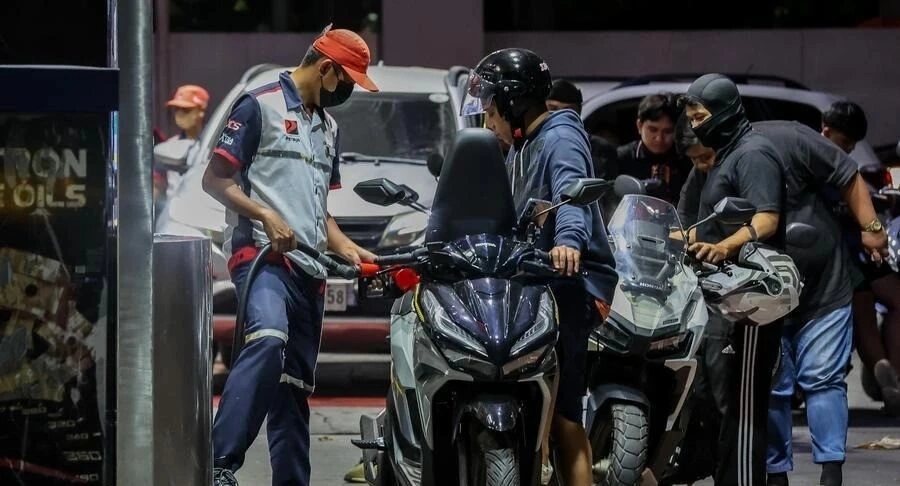
President Marcos subsequently declared a national energy emergency. Two weeks later, the Department of Trade and Industry (DTI) identified the electric vehicle industry as a policy priority.
During the first eight months of 2026, EV sales reached 66,685 units, accounting for nearly one-quarter of total vehicle sales over the period. Battery-electric vehicles (BEVs), however, remained a relatively small part of this total. Plug-in hybrid electric vehicles (PHEVs) and conventional hybrid electric vehicles (HEVs) accounted for most sales.
The Charging Infrastructure Gap Creates a Market Opening
Charging infrastructure remains a major bottleneck. As of August 2026, fewer than 2,000 charging stations nationwide had received Department of Energy (DOE) certification, while only slightly more than 900 were consistently operational. Slow chargers accounted for 74% of the total.
More than 70% of infrastructure was concentrated in major financial and commercial corridors, particularly in the capital region and urban centers such as Cebu and Davao. Highway charging outside cities remained extremely limited.
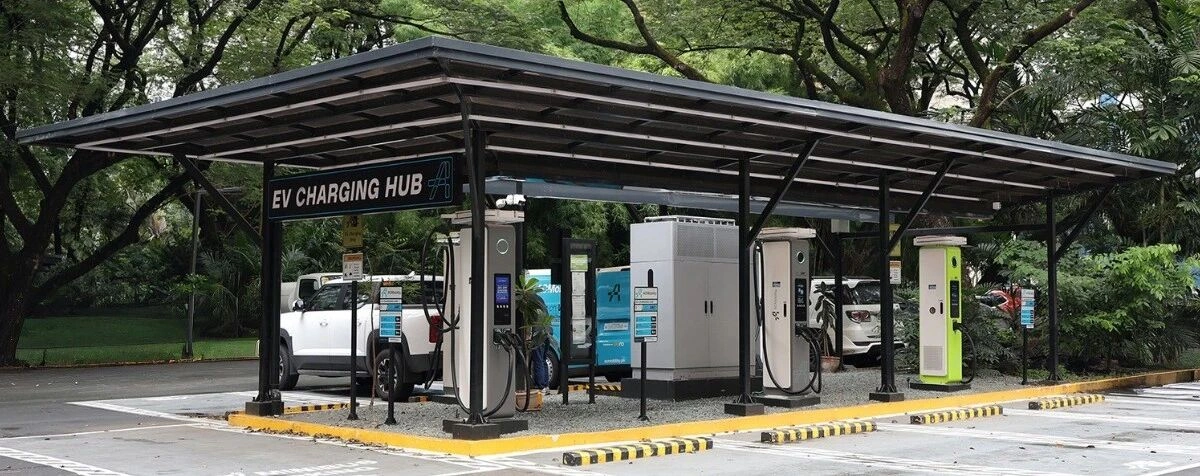
This gap also means that the market has not yet been locked up by early entrants. For charging equipment suppliers and operators, the opportunity is to establish an operating model that works locally as the network develops.
Policy Incentives Support Charging Infrastructure Development
Under EVIDA, completely built-up imported charging stations qualify for an eight-year tariff exemption following the law’s implementation. This provides a structural import-cost advantage for companies exporting complete station equipment to the Philippines.
| Policy area | Incentive |
|---|---|
| Import tariffs | Zero tariffs on battery-electric vehicles extended through 2028. |
| Excise tax | Battery-electric vehicles are exempt; hybrids are taxed at 50% of the standard rate. |
| Registration fees | A 30% discount for battery-electric vehicles and a 15% discount for hybrids. |
| Charging stations | An eight-year tariff exemption for completely built-up imported charging stations. |
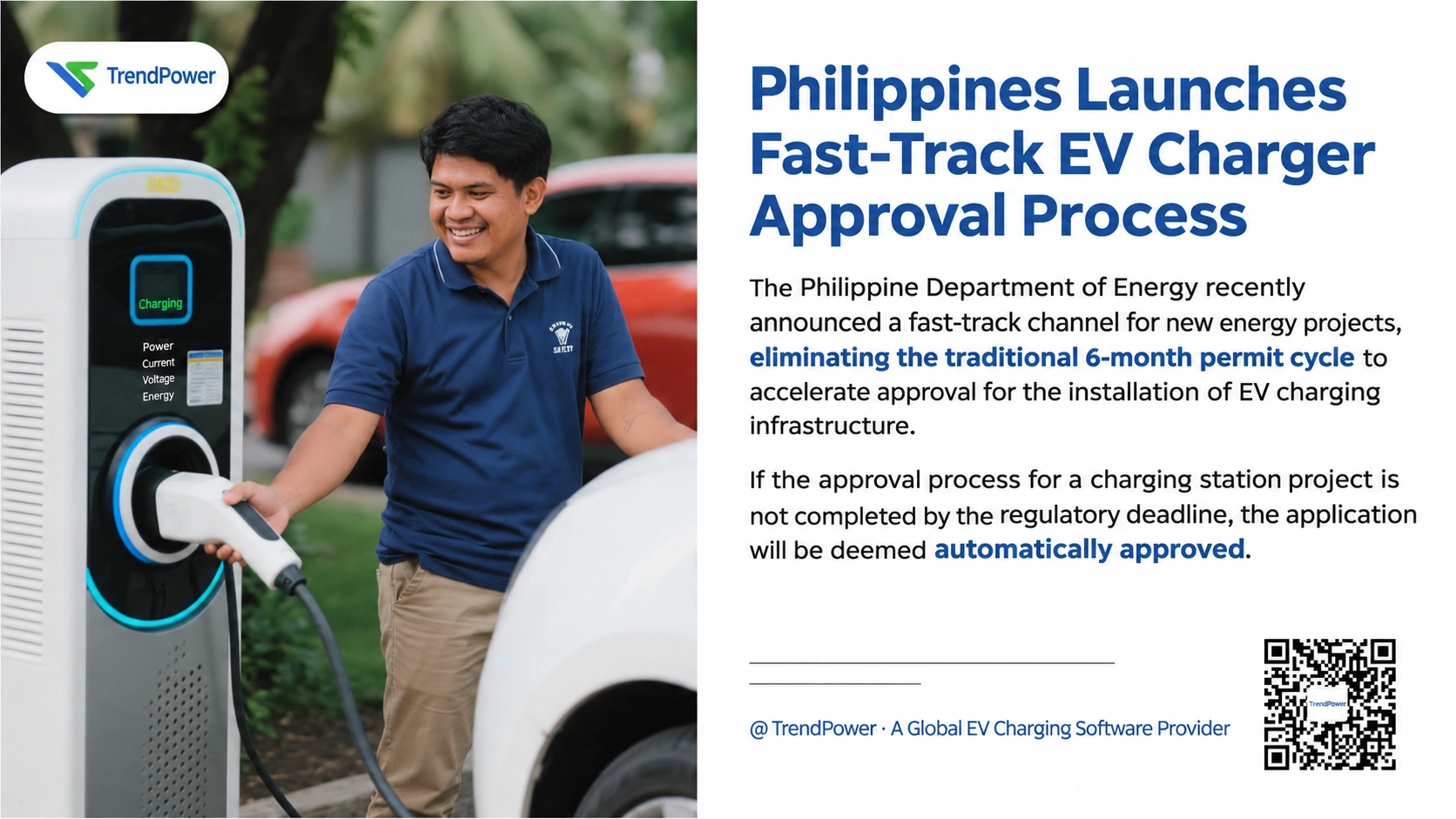
A fast-track approval process for charging infrastructure is also approaching implementation, with the potential to shorten permitting procedures that previously took up to six months.
The business manager responsible for TrendPower’s Philippine software project summarized the operational challenge:
“Tariff exemptions and faster approvals are lowering institutional barriers in the Philippines. But the real challenge lies in the complexity of localization, which goes far beyond simply exporting hardware.”
Turning Charging Hardware into a Local Operating Business
For a company whose core business is charging hardware, building a separate software platform for Philippine payments, billing, protocols, and operating workflows can require substantial resources. The challenge extends beyond connecting a charger to a server.
Drivers need an interface they understand and a payment method they already use. Station teams need equipment visibility and a practical response process. The business needs consolidated management across locations and operating entities.
TrendPower’s custom EV charging software solution addresses these requirements together. For this project, the delivery scope covered server deployment, international charger protocol compatibility, multilingual access, and local payment connectivity.
OCPP 1.6 Connectivity and Three Coordinated Interfaces
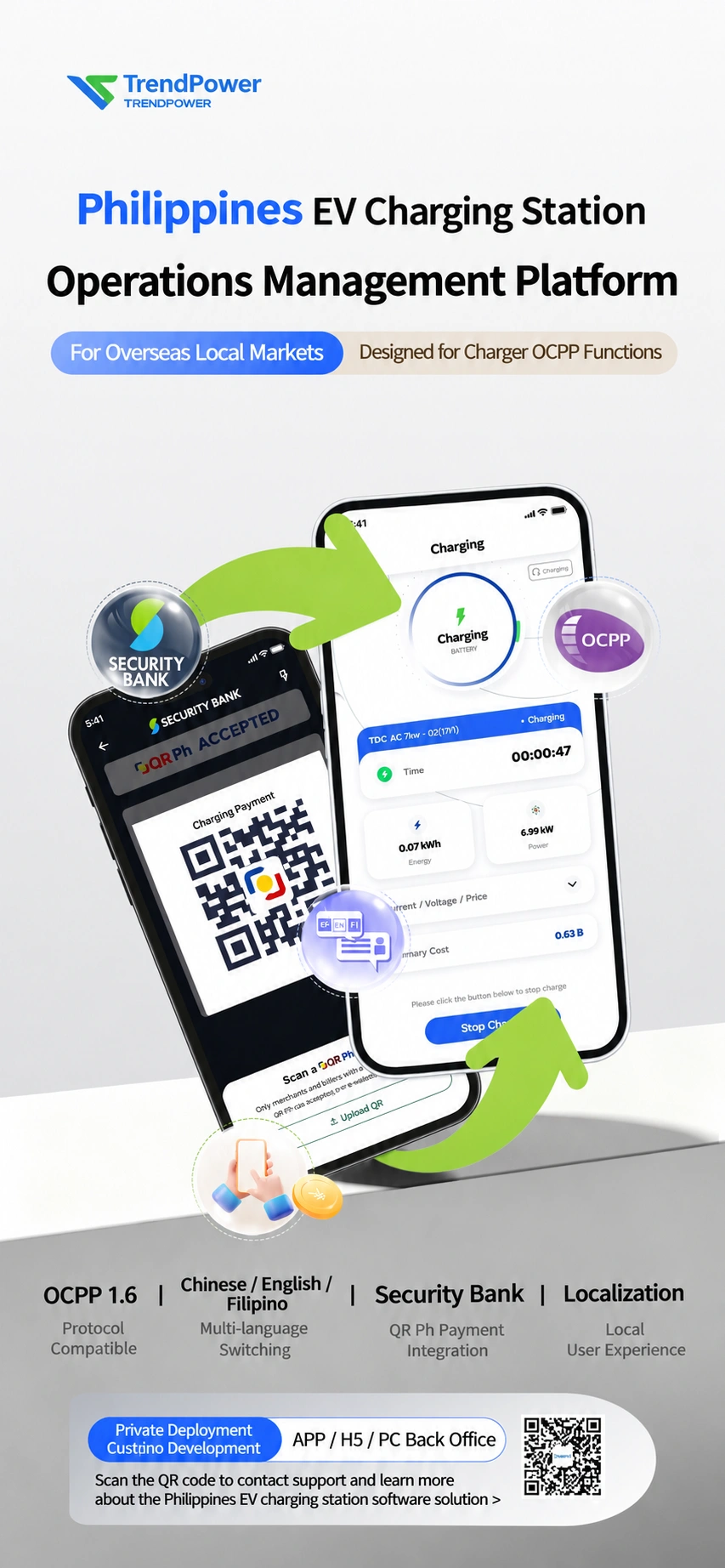
The platform uses OCPP 1.6 to connect charging hardware with core operating functions, including station monitoring, billing, and remote charging start and stop. These functions sit within an integrated charging point management system that serves different users through dedicated interfaces.
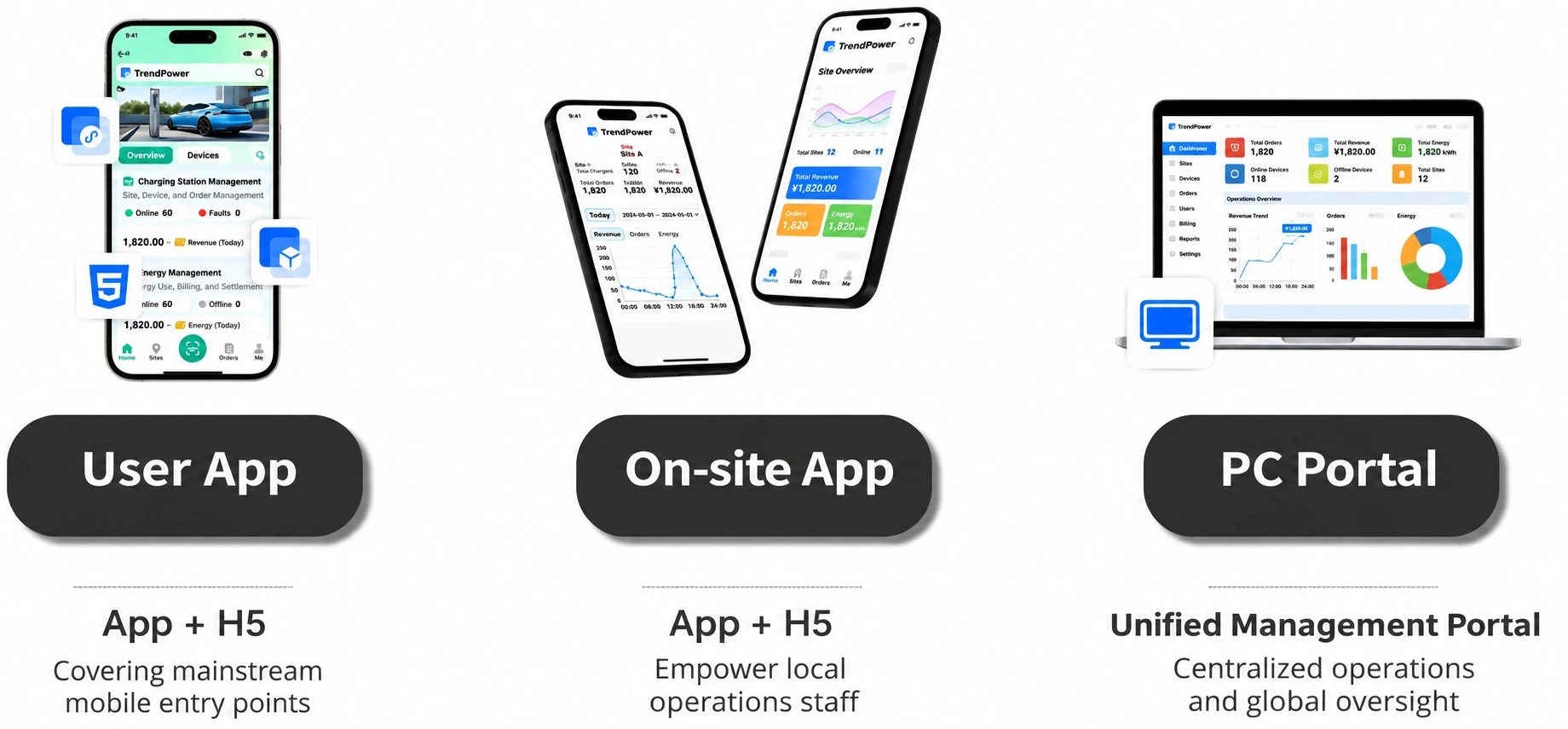
Driver Interface: From Finding a Charger to Payment
The user interface supports the complete charging journey: finding a charger, scanning a QR code, making a reservation, charging, and paying. Bringing these steps together helps users access the charging service through a consistent workflow.
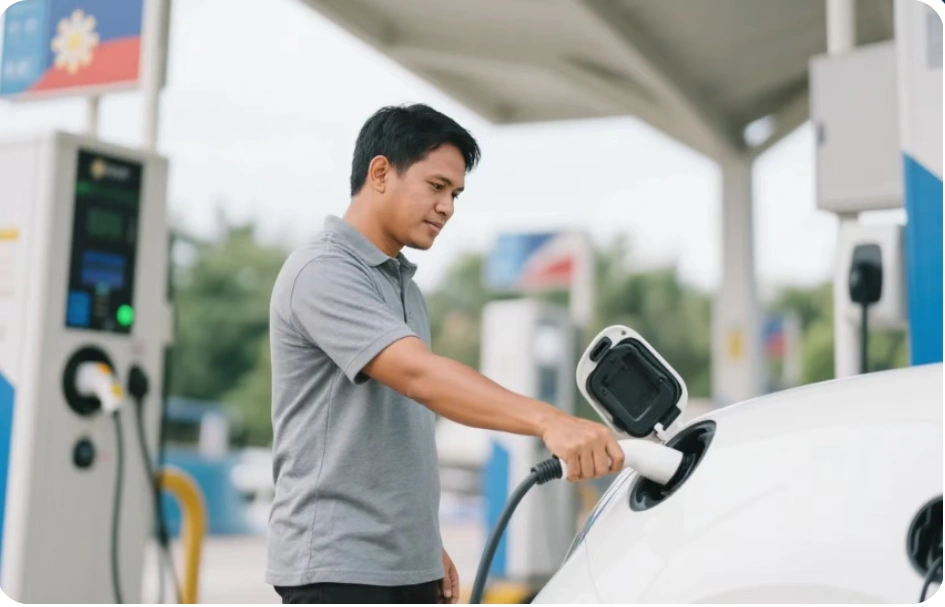
Station Management: Equipment Visibility and Fault Response
The station management interface is designed for local operating teams. It supports equipment status monitoring, fault response, and on-site management, giving station staff a dedicated view of their operational responsibilities.
Central PC Administration: Multi-Site Business Oversight
The central administration portal brings together data and management functions across multiple locations and operating entities. This gives the business a consolidated view while station teams continue to work through their own interfaces.
English, Chinese, and Filipino Interfaces
The platform supports switching between English, Chinese, and Filipino. Multilingual access helps connect the needs of the project partner, local operating teams, and drivers using the service.
By adapting the interface to local language preferences and usage habits, the platform lowers the learning curve and makes the service easier to use from the start.
Security Bank QR Ph Integration for Local Charging Payments
Payment is one of the most visible parts of charging software localization. In the Philippines, mobile payment activity is dominated by digital wallets such as GCash and Maya, while credit card penetration remains limited. A charging business that does not support familiar payment options can introduce friction at the point of purchase.
For this project, TrendPower integrated Security Bank’s QR Ph payment service. The integration supports QR-code payments across participating banks and electronic wallets, including GCash and Maya, giving users access to payment methods they already use.
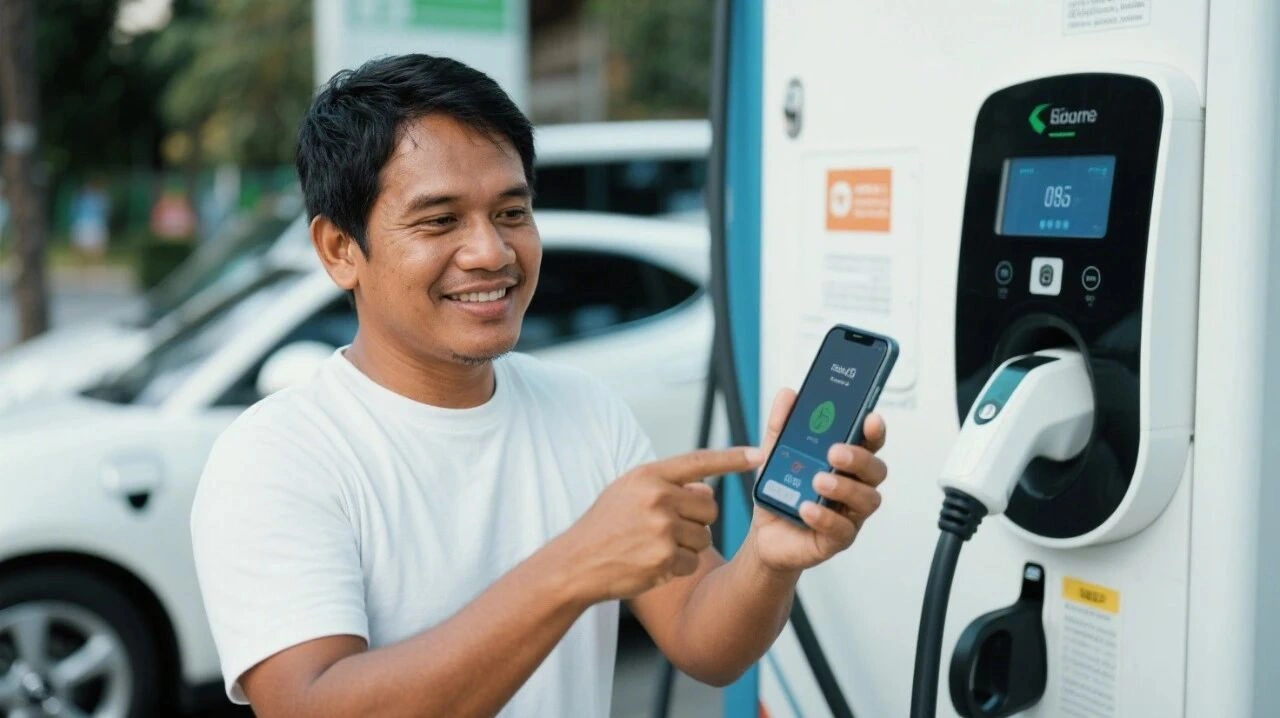
Connecting charging sessions with local payment workflows is a central part of TrendPower’s EV charging payment solution. In the Philippine deployment, Security Bank QR Ph connects the software platform with the local digital payment ecosystem.
A Practical Approach to Southeast Asian Market Entry
Hardware provides the foundation for an overseas charging project. Software connects that equipment with local drivers, station operators, and business processes.
TrendPower’s role in this project was to reduce the complexity of deployment by bringing protocols, payment integration, languages, and operating requirements into one coordinated delivery. This helps charging equipment companies shorten implementation cycles and reduce repeated trial and error as they enter a new market.

For a related regional project, read how TrendPower and TDC developed an EV charging platform for Thailand. The Philippine project adds another localized deployment to TrendPower’s expanding Southeast Asian charging software portfolio.
Frequently Asked Questions
What software did TrendPower deliver for the Philippine project?
The project combines OCPP 1.6 charger connectivity, station monitoring, billing, remote start and stop, multilingual interfaces, and Security Bank QR Ph payment integration. Dedicated interfaces support drivers, local station teams, and central administrators.
Does the platform support GCash and Maya payments?
The platform integrates Security Bank’s QR Ph service, enabling QR-code payments through participating banks and electronic wallets, including GCash and Maya.
Which languages are available?
The project supports English, Chinese, and Filipino, allowing the platform to serve the partner’s team, local operators, and charging users through multilingual interfaces.
Can the platform manage more than one charging site?
Yes. The central PC administration portal supports consolidated management and data aggregation across multiple locations and operating entities, while the station interface supports local operations.
Launch a Localized Charging Platform in the Philippines
Tell TrendPower about your charging equipment, planned sites, user languages, and payment requirements. Discuss how OCPP connectivity, local payments, and operator interfaces can fit your deployment.
Discuss Your Philippine Project