
Electric mobility is growing fast, and the demand for reliable charging infrastructure is rising with it. For charging station operators, equipment manufacturers, property managers, fleet owners, and energy companies, installing chargers is only the beginning. The real challenge is managing those chargers efficiently, keeping them available, handling payments, monitoring performance, and scaling the network without creating operational complexity.
That is where smart EV charging solutions become essential.
A smart EV charging solution is a digital system that helps businesses manage charging stations, users, payments, energy usage, charger status, maintenance alerts, and performance data from one centralized platform. Instead of relying on manual checks or disconnected systems, operators can use EV charging software to monitor their network in real time and make better decisions.
Trend Power Charge, also known as TrendPower, focuses on EV charging management technology for global operators. Its platform is designed to support charging station operators, equipment manufacturers, and energy companies with EV charging management systems, IoT platforms, and operations and maintenance tools.
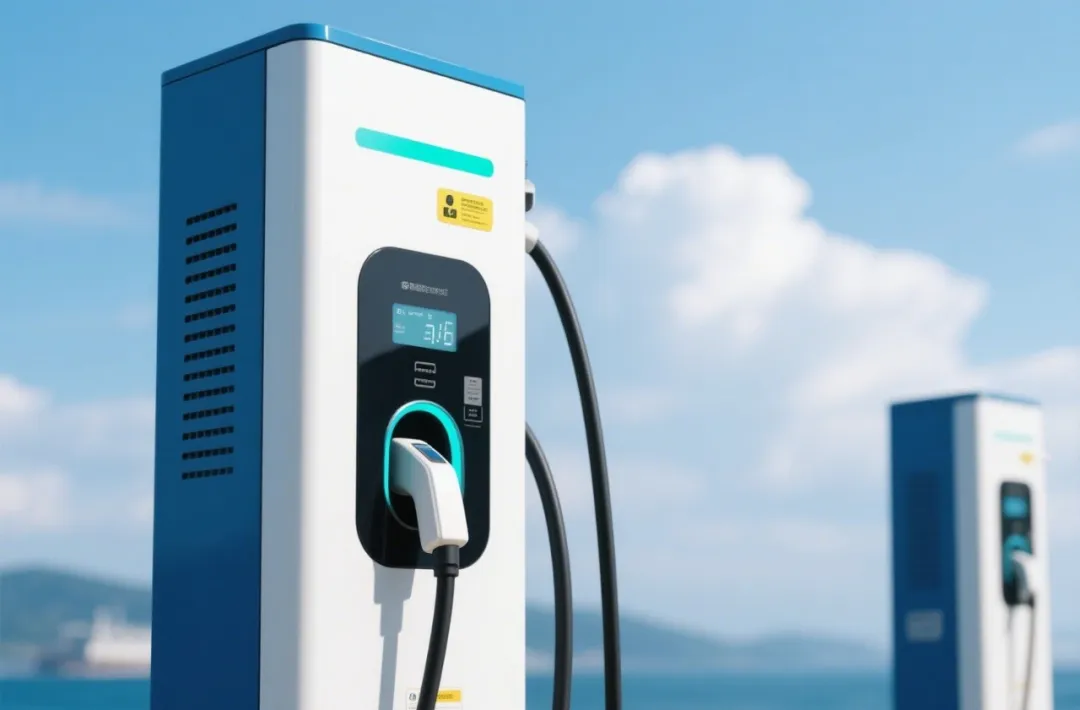
Why Smart EV Charging Solutions Matter Today
EV charging is no longer just about plugging in a vehicle. Modern charging businesses need stable software, flexible payment options, reliable charger communication, real-time monitoring, and scalable management tools.
For a public charging network, downtime can mean lost revenue and frustrated drivers. For a residential community, poor access control can create confusion among users. For a fleet operator, inefficient charging schedules can increase costs and reduce vehicle availability. For equipment manufacturers, software compatibility can affect how easily their hardware connects to different platforms.
Smart charging solutions help solve these problems by giving operators better control over the entire charging process. A strong EV charging management platform can help businesses:
- Monitor charger status in real time
- Detect faults before they become major issues
- Manage users and access permissions
- Support flexible billing and payment models
- Track energy usage and charging performance
- Improve charger utilization
- Scale from a small project to a larger network
For businesses planning long-term growth, smart charging software is not just a technical tool. It is a foundation for operational efficiency, customer satisfaction, and revenue control.
What Makes a Good EV Charging Management Platform?
Not all charging management platforms offer the same level of flexibility. When evaluating EV charging software, operators should look beyond basic charger control and consider how the system supports daily operations, expansion, and long-term profitability.
Real-Time Monitoring and Remote Control
Real-time monitoring is one of the most important features of a smart EV charging platform. Operators need to know whether chargers are online, offline, occupied, idle, or experiencing faults.
A strong platform should provide clear visibility into charger status, charging sessions, energy consumption, and operational performance. TrendPower describes its EV Charging Point Management System as a cloud-based platform designed to centrally monitor, manage, and optimize EV charging networks, including visibility into charger status, energy usage, and operational performance.
Remote control is also valuable. When operators can start, stop, reset, or troubleshoot chargers remotely, they can reduce manual site visits and respond faster to user issues.
Hardware Compatibility
Hardware compatibility is critical for charging businesses that work with multiple charger models or manufacturers. A platform that only works with limited hardware can create vendor lock-in and make expansion more difficult.
Operators should look for support for common communication protocols such as OCPP. TrendPower states that its platform supports compatibility with OCPP 1.6/2.0.1 standards and provides hardware protocol integration with OCPP, MQTT, and other protocols.
This type of compatibility helps operators connect different chargers into one management system, improving flexibility and reducing operational friction.
Payment and Billing Capabilities
EV charging is both an infrastructure service and a business model. That means payment and billing tools matter.
A good EV charging payment solution should support different pricing strategies, user accounts, transaction records, billing automation, and payment gateway integration. This is especially important for public charging stations, shared residential charging, commercial parking facilities, and fleet charging operations.
Flexible billing allows operators to build pricing models based on time, energy usage, membership level, location, or business requirements. It also makes it easier to track revenue and evaluate station performance.
Intelligent Operations and Maintenance
Charger reliability has a direct impact on user trust. If drivers arrive at a charging station and find that the charger is unavailable, they may avoid that location in the future.
Intelligent O&M tools help operators detect problems earlier and maintain more stable charging operations. TrendPower’s website describes its Intelligent Operations & Maintenance solution as using real-time monitoring, remote diagnostics, automated alerts, and AI-driven analytics to detect faults early, reduce downtime, and optimize charger performance.
For larger networks, these features can reduce maintenance costs and improve service quality.
Smart Charging Software vs. Basic Charger Management
Basic charger management may be enough for a very small installation, but it often becomes limiting as the network grows. A basic system may only show charger status or session records. A smart EV charging platform goes further by combining monitoring, billing, user management, diagnostics, reporting, and energy optimization.
For example, a small property may only need simple access control at first. But as more residents adopt EVs, the site may need load management, billing rules, usage reports, and user support tools. A public charging operator may begin with a few stations, then later need multi-site dashboards, payment integrations, maintenance workflows, and revenue analytics.
The key difference is scalability. Smart charging solutions are built to support growth, while basic tools may become difficult to manage over time.

How Trend Power Charge Helps Simplify EV Charging Operations
Trend Power Charge helps businesses simplify EV charging operations by providing a digital platform for managing charging infrastructure. Instead of treating each charger as a separate device, operators can manage their charging network through a more centralized and structured system.
According to its website, TrendPower provides EV charging software for charging station operators, equipment manufacturers, energy companies, property management companies, automotive manufacturers, and related businesses.
Its service areas include EV Charging Point Management Systems, E-Bike Charging Micromobility Solutions, PV-ESS-Charging Solutions, and Intelligent Operations Management. The PV-ESS-Charging Solution integrates solar power, energy storage, and EV charging into one intelligent ecosystem, while the micromobility solution supports charging infrastructure for e-bikes and light mobility devices.
For operators, this means Trend Power Charge can support different charging scenarios, including public charging stations, residential communities, micromobility networks, fleet charging, and energy-integrated projects.
Best EV Charging Solutions for Different Needs
For Public Charging Operators
Public charging operators need uptime, payment flexibility, user-friendly access, and performance reporting. A smart EV charging management platform can help operators monitor charging stations, manage transactions, analyze utilization, and identify underperforming locations.
The most important features for public networks include real-time charger monitoring, automated billing, fault alerts, user management, and scalable multi-site control.
For Residential Communities
Shared residential EV charging requires fair access, simple billing, and easy management. Property managers need to know who is using the chargers, how much energy is consumed, and how payments are handled.
A shared residential charging solution can help communities avoid disputes, improve convenience for residents, and support the growing demand for overnight EV charging.
For Fleet Operators
Fleet charging requires planning. Delivery fleets, logistics companies, taxis, buses, and service vehicles often need predictable charging schedules to keep vehicles available.
A fleet-focused charging management system can help operators monitor charging sessions, manage energy demand, reduce downtime, and improve vehicle readiness. For heavy-duty electric trucks, charging software can also support better scheduling and infrastructure planning.
For Micromobility and E-Bike Networks
E-bikes and light mobility vehicles are becoming more common in urban transportation. Operators need systems that can manage charging access, monitor device status, support payments, and improve energy efficiency.
TrendPower’s e-bike charging micromobility solution is designed to help operators deploy, monitor, and manage charging infrastructure for electric bikes and other light mobility devices.
For Solar, Storage, and Charging Projects
Some businesses want to combine renewable energy, storage, and EV charging. These projects require more advanced energy coordination.
PV-ESS-charging solutions can help operators connect solar power, energy storage, and charging infrastructure into a smarter system. This can support better energy usage, lower operational pressure, and more sustainable charging operations.
How to Choose the Right EV Charging Management Solution
Choosing the right EV charging software depends on your business model, charger type, user base, and growth plan. Before selecting a platform, consider the following points:
- Check whether the platform supports your charger hardware.
- Look for OCPP compatibility to reduce vendor lock-in.
- Make sure real-time monitoring is available.
- Choose software with reliable payment and billing tools.
- Confirm whether the system supports remote diagnostics.
- Evaluate reporting, analytics, and revenue tracking features.
- Consider whether the platform can support multi-site expansion.
- Look for user management and access control features.
- Review whether the software supports your target market language and payment needs.
- Avoid choosing a system only because it appears cheaper upfront.
The best EV charging management platform should not only solve today’s problem. It should also support future growth.
Common Mistakes to Avoid When Buying EV Charging Software
One common mistake is focusing only on hardware while treating software as an afterthought. In reality, software determines how easily chargers can be managed, monetized, and maintained.
Another mistake is ignoring protocol compatibility. Without support for widely used standards, operators may struggle to connect different chargers or expand their network.
Some businesses also underestimate the importance of payment integration. If users cannot pay easily, the charging experience suffers. Operators should also avoid systems with limited reporting, because weak data makes it harder to improve pricing, utilization, and maintenance planning.
Finally, businesses should avoid choosing a platform that cannot scale. A solution that works for five chargers may not work well for fifty, five hundred, or more.
Final Thoughts
Smart EV charging solutions are essential for businesses that want to build reliable, scalable, and profitable charging networks. The right platform can help operators monitor chargers, manage payments, reduce downtime, improve user experience, and make better business decisions.
Trend Power Charge provides EV charging management solutions designed for operators, equipment manufacturers, energy companies, and other businesses involved in the electric mobility ecosystem. With capabilities across charging management, intelligent O&M, micromobility, payment solutions, and energy-integrated charging scenarios, it offers a practical path for companies looking to manage and scale EV charging infrastructure.
To explore smart EV charging solutions for modern charging operations, visit TrendPowerCharge.com and learn how Trend Power Charge can support your next charging project.


 EN_GB
EN_GB  EN
EN  ZH
ZH  AR
AR  DE
DE  ES
ES  KO
KO  JA
JA  IT
IT  FR
FR  VI
VI  MS
MS  ID
ID  FR_CA
FR_CA  NL
NL  SV
SV  TH
TH 