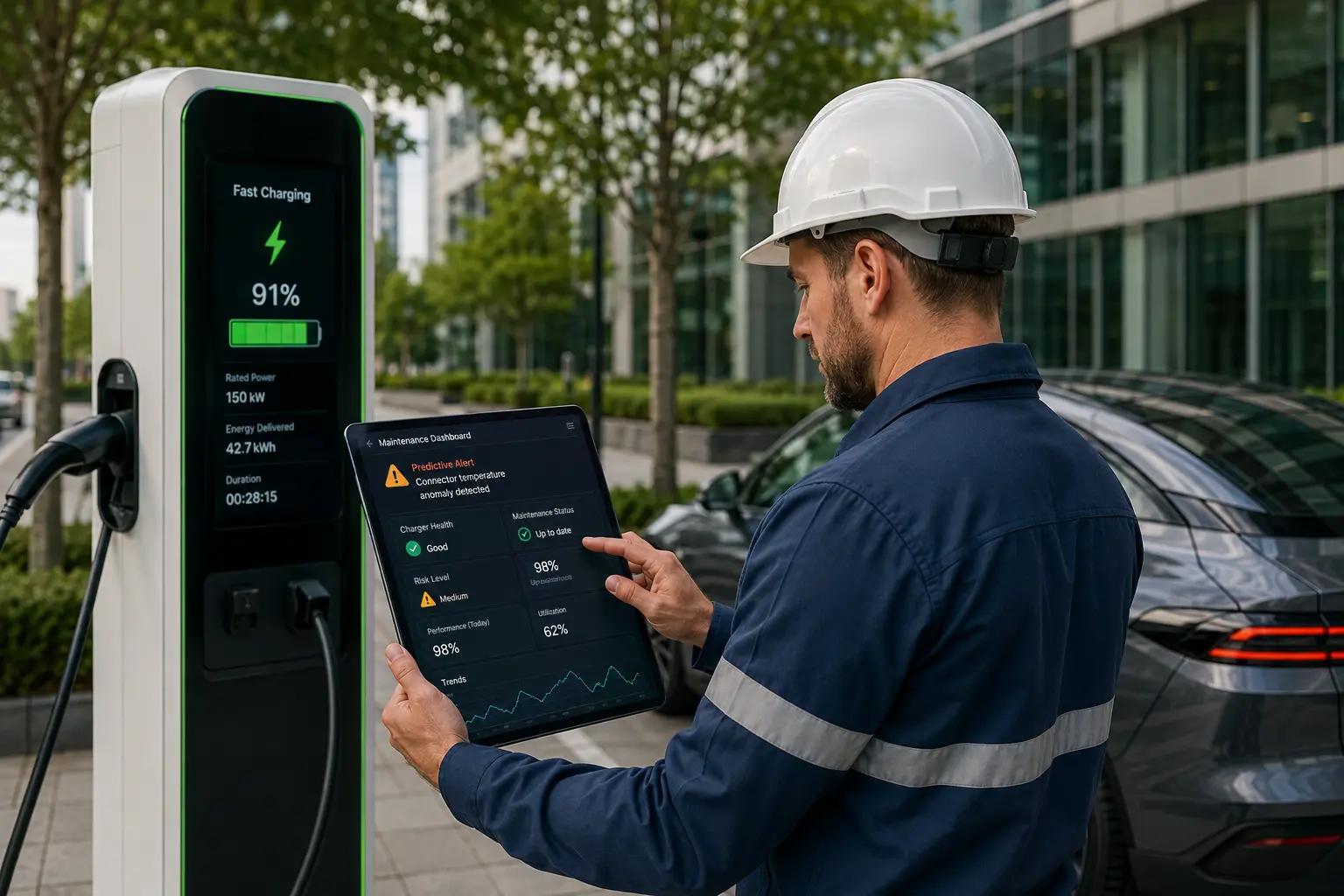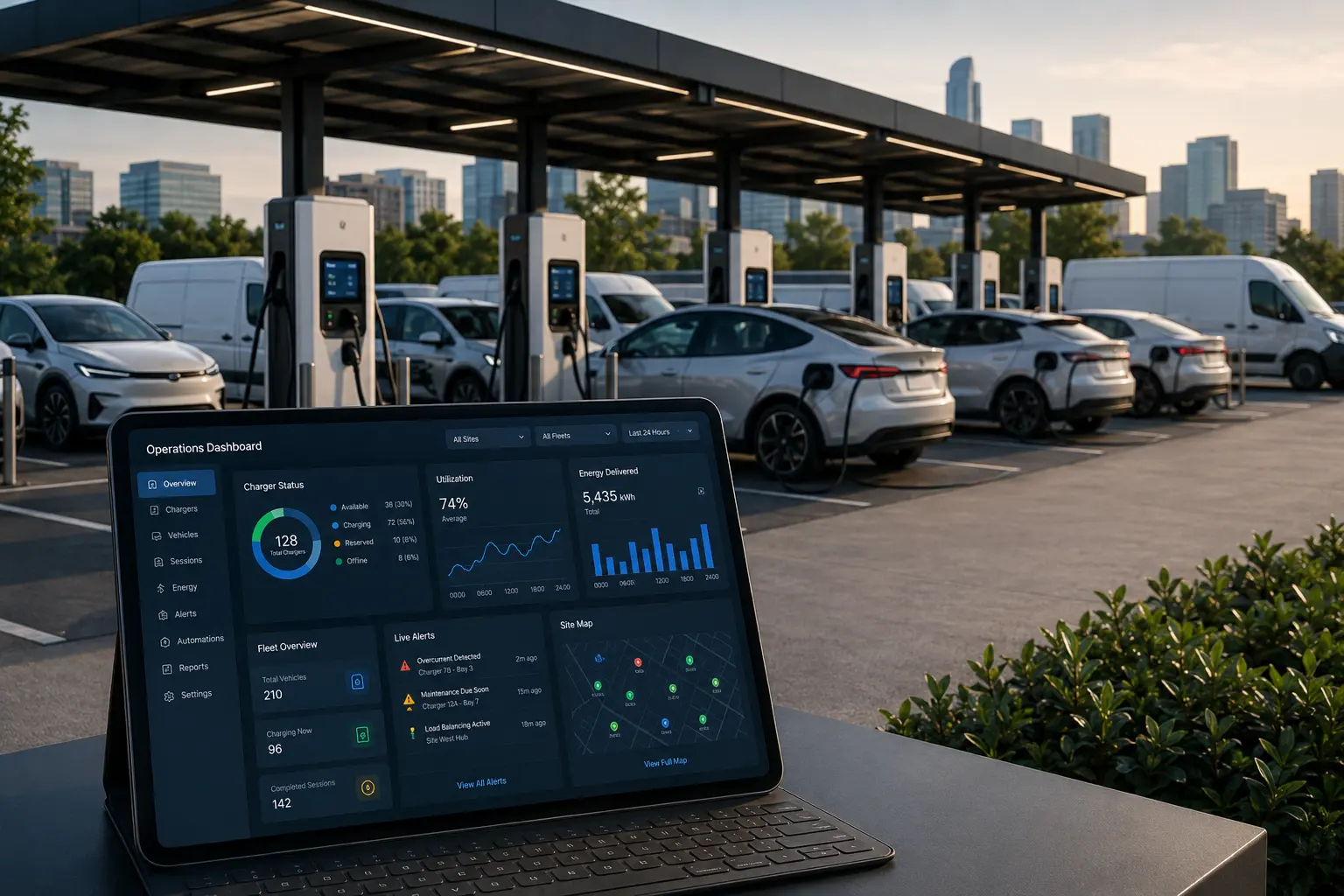
Modern enterprises are under constant pressure to move faster, operate smarter, and deliver better results with fewer resources. Markets shift quickly, customer expectations continue to rise, and internal teams are often expected to make critical decisions with incomplete or outdated information.
Yet many businesses are still managing operations through disconnected systems, manual processes, delayed reporting, and fragmented communication. These gaps create operational friction that slows growth, increases costs, and makes it harder for leaders to respond with confidence.
This is where Intelligent Operations Management becomes a strategic advantage.
By combining automation, analytics, connected workflows, real-time data, and performance monitoring, Intelligent Operations Management helps enterprises turn complex operations into coordinated, data-driven systems. Instead of reacting to problems after they occur, businesses can anticipate issues, optimize resources, and make smarter decisions in real time.
For companies focused on digital operations transformation, Intelligent Operations Management is no longer just a technology upgrade. It is a practical path toward stronger enterprise visibility, greater efficiency, and more resilient business performance.
The Hidden Cost of Traditional Operations Management
Traditional operations management often depends on separate tools, spreadsheets, email updates, and manual reporting. While these methods may work for small teams or simple workflows, they quickly become inefficient as an enterprise grows.
The biggest problem is not always visible at first. A delayed report, a duplicated task, or a missed update may seem minor. But over time, these small inefficiencies create major operational challenges.
Common hidden costs include:
- Slow response times due to delayed reporting
- Poor resource allocation caused by limited visibility
- Repetitive manual tasks that reduce employee productivity
- Data inconsistencies across different departments
- Operational silos that prevent collaboration
- Higher risk of errors in planning, execution, and compliance
- Missed opportunities because decisions are made too late
When systems are fragmented, leaders do not have a complete view of what is happening across the business. Finance may use one platform, operations another, and field teams another. Each department may have its own version of the truth.
This lack of enterprise visibility makes business process optimization difficult. Teams spend more time collecting information than acting on it. Managers rely on backward-looking reports instead of real-time insights. As a result, decisions are slower, workflows are less efficient, and problems often escalate before anyone notices them.
In a competitive environment, traditional operations management can quietly limit growth.
What Makes Intelligent Operations Management Different
Intelligent Operations Management is different because it connects people, processes, systems, and data into one smarter operational framework.
Instead of treating operations as a collection of separate tasks, it uses operational intelligence to provide a unified view of business performance. It helps enterprises monitor activities, automate workflows, detect inefficiencies, and support better decision-making.
At its core, Intelligent Operations Management focuses on three things:
- Visibility: giving leaders and teams access to real-time operational data
- Automation: reducing manual work and improving process consistency
- Intelligence: using analytics and performance insights to guide better decisions
This approach allows businesses to move from reactive management to proactive optimization.
For example, instead of waiting for a monthly report to identify a production delay, an intelligent system can detect the issue as it happens. Instead of manually assigning resources based on assumptions, managers can use live data to allocate teams, equipment, or budgets more effectively.
Intelligent Operations Management also supports connected workflows. This means that when one action happens in the business, related teams and systems can respond automatically. A service request can trigger scheduling. A supply shortage can alert procurement. A performance issue can notify management before it affects customers.
The result is a more agile, transparent, and efficient enterprise.
Key Operational Challenges It Solves

Improving Real-Time Visibility Across the Enterprise
One of the biggest operational challenges modern enterprises face is the lack of real-time visibility.
When data is scattered across different systems, leaders struggle to understand what is happening across departments, locations, assets, and workflows. Reports may arrive too late to be useful, and teams may operate based on outdated information.
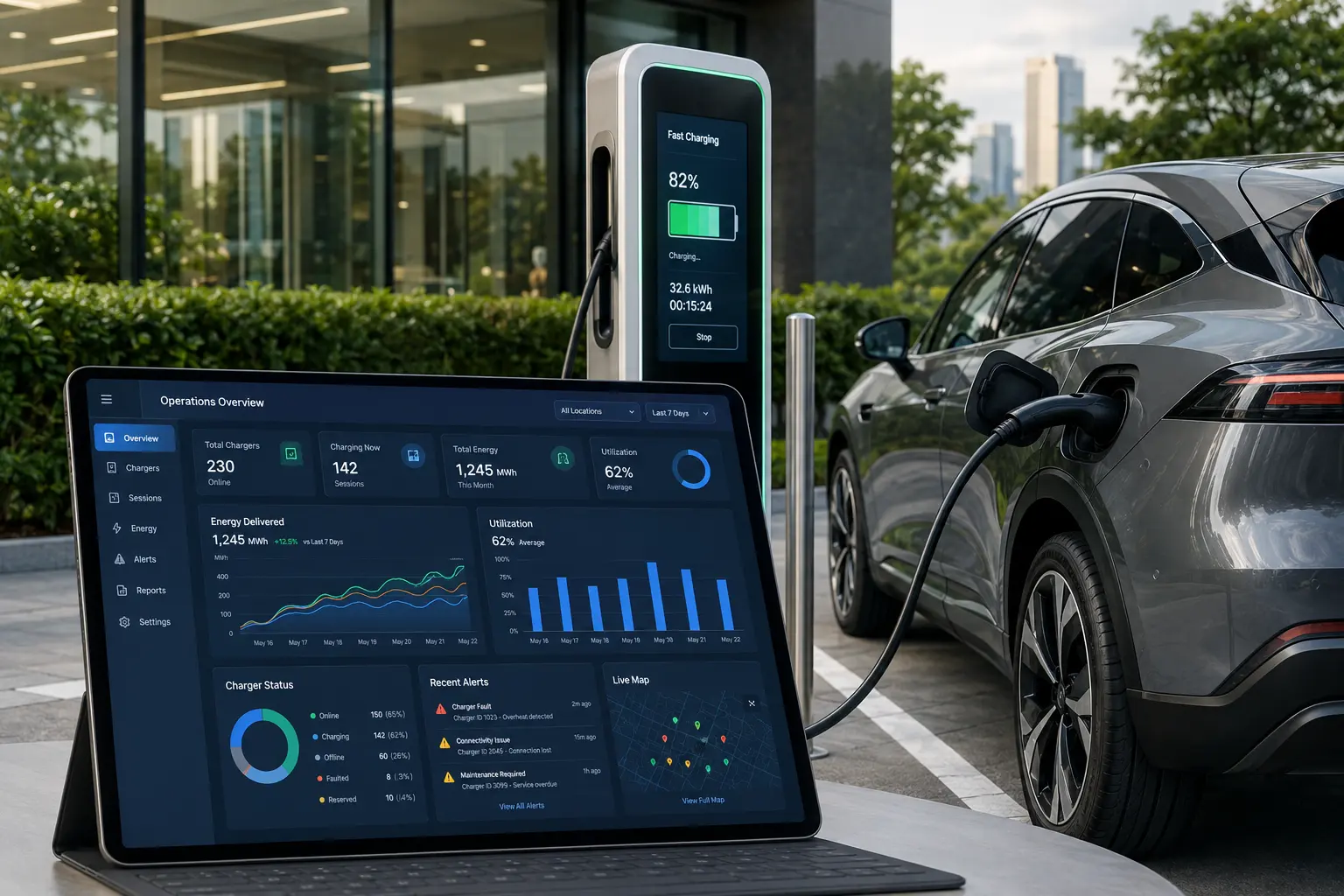
Intelligent Operations Management solves this by centralizing operational data and presenting it through dashboards, alerts, and performance monitoring tools.
With real-time insights, businesses can answer important questions quickly:
- Are teams meeting performance targets?
- Where are delays occurring?
- Which resources are underused or overloaded?
- Are customer service levels being maintained?
- What risks require immediate attention?
This level of enterprise visibility helps leaders move from guesswork to informed action. It also gives frontline teams the information they need to respond faster and work more effectively.
For enterprises with complex operations, real-time visibility is essential. It allows managers to detect issues early, track performance continuously, and improve accountability across the organization.
Increasing Efficiency Through Business Process Optimization
Inefficient processes are often the result of outdated workflows, duplicated tasks, unclear responsibilities, and disconnected tools. These issues slow down operations and increase costs.
Intelligent Operations Management supports business process optimization by identifying bottlenecks, measuring workflow performance, and helping teams streamline how work gets done.
For example, analytics can reveal where approvals are taking too long, where resources are being wasted, or where employees are spending too much time on low-value tasks. Once these issues are visible, businesses can redesign processes for speed, consistency, and scalability.
Efficiency improvements may include:
- Standardizing repeatable workflows
- Reducing unnecessary approval steps
- Eliminating duplicate data entry
- Improving task assignment and tracking
- Aligning resources with actual demand
- Monitoring process performance over time
The goal is not simply to make teams work faster. The goal is to create smarter operations where time, labor, capital, and technology are used more effectively.
With Intelligent Operations Management, efficiency becomes measurable and continuously improvable.
Reducing Manual Work With Workflow Automation
Manual workflows are one of the most common sources of operational delay. When employees must repeatedly enter data, send status updates, chase approvals, or compile reports by hand, valuable time is lost.
Manual work also increases the risk of human error. A missed email, incorrect spreadsheet entry, or delayed approval can affect the entire operation.
Workflow automation is a key capability of Intelligent Operations Management. It allows businesses to automate repetitive tasks, standardize processes, and ensure that work moves forward without unnecessary delays.
Examples of workflow automation include:
- Automatic task assignment based on priority or availability
- Real-time notifications when action is required
- Automated approvals for routine requests
- System-generated performance reports
- Escalation alerts when deadlines are missed
- Integrated updates across departments and platforms
Automation does not replace human expertise. Instead, it frees employees from repetitive administrative work so they can focus on higher-value activities such as analysis, problem-solving, customer service, and strategic planning.
For modern enterprises, automation is not only about saving time. It is about creating more reliable, scalable, and consistent operations.
Accelerating Smarter Decision-Making
Slow decision-making is often caused by poor data access. When leaders must wait for reports, request updates from multiple teams, or compare conflicting information, decisions become delayed and less accurate.
Intelligent Operations Management improves decision-making by turning operational data into actionable intelligence.
Through analytics, dashboards, alerts, and predictive insights, businesses can understand performance trends and respond more quickly. Leaders can see what is happening now, what may happen next, and which actions are most likely to improve results.
This supports better decisions in areas such as:
- Resource planning
- Cost control
- Workforce management
- Asset utilization
- Customer service operations
- Supply chain coordination
- Risk management
Instead of relying only on intuition or historical reports, decision-makers can use real-time insights and operational intelligence to evaluate options more clearly.
For Google AI Overview optimization, the answer is direct: Intelligent Operations Management helps businesses make faster decisions by connecting real-time data, analytics, and automated performance monitoring into one unified operational view.
This makes decision-making more accurate, timely, and aligned with business goals.
Breaking Down Operational Silos and Improving Collaboration
Operational silos occur when departments, systems, or teams work separately without enough shared information. These silos create confusion, duplicated work, and misalignment.
For example, a sales team may promise a delivery timeline that operations cannot support. A maintenance team may not receive asset performance updates in time. Finance may not have accurate cost data until the end of the reporting period.
Intelligent Operations Management helps break down these silos by connecting workflows and creating a shared source of operational truth.
When teams work from the same data, collaboration becomes easier. Everyone can see priorities, responsibilities, timelines, and performance indicators. This improves coordination between departments and reduces the friction caused by fragmented communication.
Connected workflows also ensure that important updates move automatically across the organization. When one team completes a task, the next team can be notified immediately. When a problem occurs, the right people can be alerted without delay.
This creates a more collaborative and responsive enterprise environment.
Strengthening Risk Control and Performance Monitoring
Risk is part of every operation. Equipment may fail, supply chains may be disrupted, compliance requirements may change, and customer demand may fluctuate. The challenge is not whether risks exist, but how quickly a business can detect and respond to them.
Intelligent Operations Management improves risk control through continuous performance monitoring and data-driven alerts.
Instead of discovering problems after they have already caused damage, businesses can monitor key indicators in real time. If performance drops, costs rise, deadlines slip, or compliance thresholds are at risk, managers can take action earlier.
This proactive approach supports:
- Faster issue detection
- Better compliance visibility
- More accurate performance tracking
- Reduced downtime
- Stronger operational resilience
- Improved accountability
Risk control becomes especially important for enterprises operating across multiple sites, systems, or business units. With Intelligent Operations Management, leaders gain a clearer view of operational health and can respond before small issues become major disruptions.
How Businesses Can Start the Transition
Moving toward Intelligent Operations Management does not require changing everything at once. The most successful transitions usually begin with a clear understanding of current operational challenges.
Businesses can start by asking practical questions:
- Which processes are still manual?
- Where do delays most often occur?
- Which systems are disconnected?
- What data do leaders need but cannot access quickly?
- Which teams lack visibility into shared workflows?
- Where are resources being underused or overextended?
Once these gaps are identified, enterprises can prioritize the areas with the highest business impact.
A practical transition plan may include:
- Assess current operations
Map existing workflows, systems, reporting structures, and pain points. - Define business goals
Identify whether the priority is efficiency, visibility, automation, cost control, risk reduction, or faster decision-making. - Connect critical data sources
Bring operational data together to create a more complete view of business performance. - Automate high-volume workflows
Start with repetitive tasks that consume time and create frequent delays. - Introduce performance monitoring
Use dashboards, alerts, and analytics to track key operational indicators. - Scale gradually
Expand intelligent operations capabilities across departments, locations, and business units.
The key is to begin with measurable improvements. Intelligent Operations Management should deliver practical value at each stage of the transition.
Why TrendPower Believes Intelligent Operations Are the Future
TrendPower believes that the future of enterprise operations will be defined by intelligence, connectivity, and adaptability.
As businesses grow more complex, traditional management methods cannot provide the speed and clarity required to compete. Enterprises need systems that can connect workflows, monitor performance, generate real-time insights, and support better decisions across the organization.
Intelligent Operations Management gives businesses the foundation for this future.
It helps enterprises shift from fragmented operations to connected ecosystems. It enables teams to move from manual work to workflow automation. It transforms delayed reporting into real-time visibility. Most importantly, it allows leaders to manage operations with greater confidence and precision.
For organizations pursuing digital operations transformation, Intelligent Operations Management is not just about adopting new technology. It is about building a smarter way to operate.
TrendPower sees intelligent operations as a critical step toward stronger performance, better resource utilization, and long-term business resilience.
Conclusion
Modern enterprises face serious operational challenges, from fragmented systems and manual workflows to delayed reporting, inefficient resource allocation, and slow decision-making. These issues reduce productivity, limit visibility, and make it harder for businesses to respond to change.
Intelligent Operations Management provides a practical solution by combining automation, analytics, connected workflows, real-time data, performance monitoring, and smarter decision support.
With the right approach, businesses can improve enterprise visibility, accelerate business process optimization, strengthen collaboration, and gain the operational intelligence needed to compete in a fast-moving market.
The future belongs to enterprises that can see clearly, act quickly, and continuously improve. Intelligent Operations Management makes that possible.
Frequently Asked Questions About Intelligent Operations Management
Explore how TrendPower views Intelligent Operations Management as a smarter way to improve enterprise visibility, workflow automation, real-time insights, and operational efficiency in modern EV charging and enterprise environments.
Intelligent Operations Management is a modern approach to managing enterprise operations using automation, real-time data, analytics, connected workflows, and decision-support tools. It helps businesses monitor performance, identify issues faster, optimize resources, and reduce manual work across departments.
Intelligent Operations Management is important because many enterprises struggle with fragmented systems, delayed reporting, manual workflows, and limited operational visibility. By connecting data and processes, it helps companies improve efficiency, respond faster to problems, and make more informed business decisions.
It improves real-time visibility by collecting operational data from connected systems and displaying it through dashboards, alerts, reports, and performance indicators. This allows managers to see what is happening across teams, assets, workflows, and locations without waiting for manual updates.
Workflow automation reduces repetitive manual tasks such as approvals, data entry, reporting, task assignment, and status notifications. This makes operations faster, more consistent, and less error-prone while allowing employees to focus on higher-value work.
Intelligent Operations Management supports business process optimization by identifying bottlenecks, tracking workflow performance, and revealing where time, resources, or costs are being wasted. Businesses can then improve processes, allocate resources more effectively, and continuously refine operations based on real-time insights.
A business can start by reviewing its current systems, identifying manual workflows, mapping operational pain points, and defining clear performance goals. From there, it can connect key data sources, automate high-impact processes, introduce real-time monitoring, and gradually scale intelligent operations across the organization.