
Heavy-Duty Truck Charging Fleet Management System
Connect electric trucks, high-power chargers, vehicle data, charging schedules, fleet accounts, billing and energy operations through one intelligent platform built for commercial heavy-duty EV fleets.
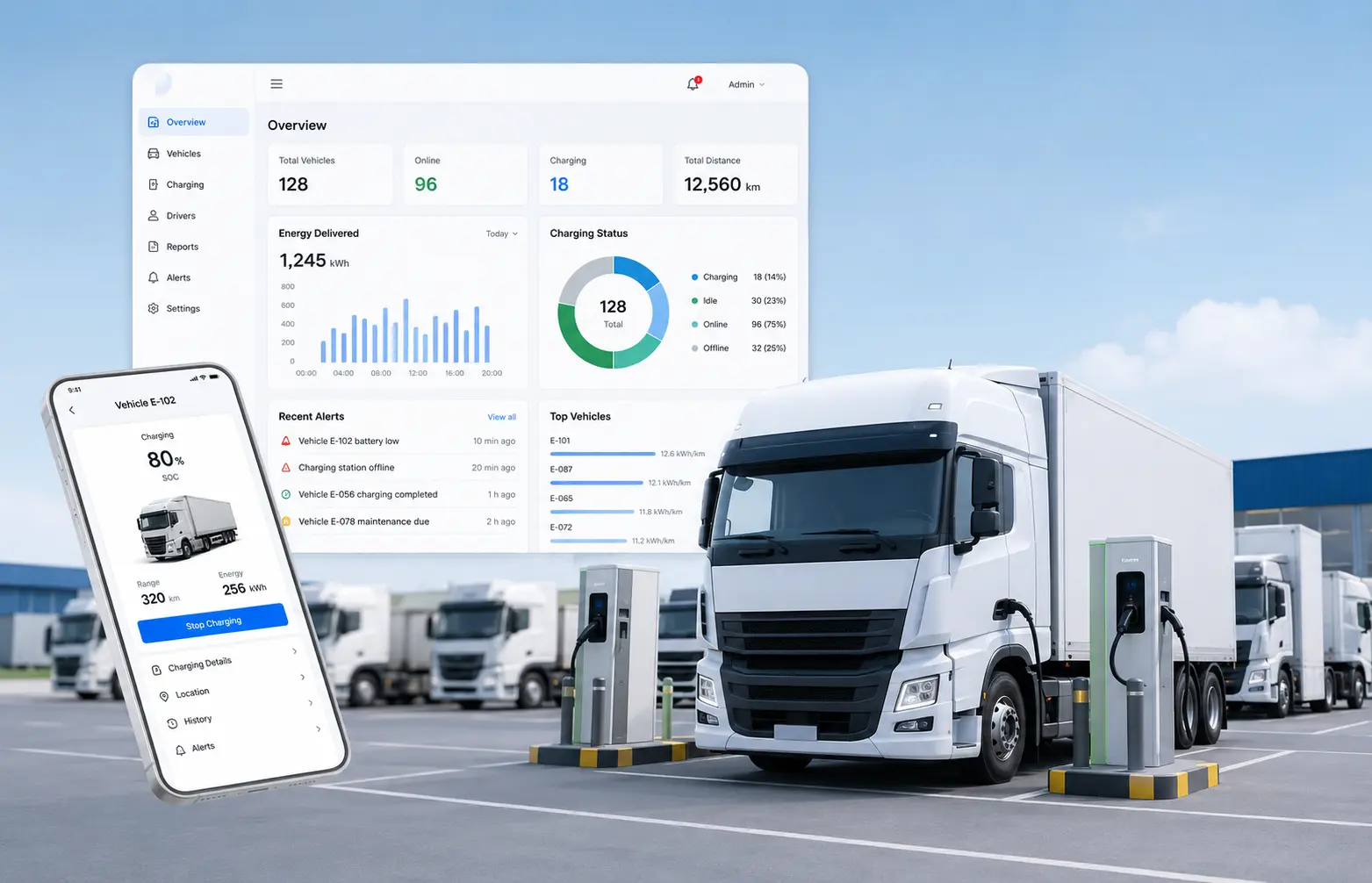
What Is a Heavy-Duty Truck Charging Fleet Management System?
A heavy-duty truck charging fleet management system is a digital platform for connecting electric commercial vehicles, charging infrastructure, fleet operations, billing and energy data within one management environment.
Heavy-duty electric trucks operate around fixed routes, transport tasks and charging windows. Fleet managers therefore need more than basic charger monitoring. They need to understand charger status, vehicle availability, charging progress, operating exceptions, settlement data and site operating performance.
TRENDPOWER combines charging monitoring, intelligent dispatching, user and vehicle management, vehicle lifecycle tracking, anomaly monitoring, flexible billing, operational analytics and energy-cost reporting for commercial electric truck operations.
Real-Time Charging Monitoring & Intelligent Operations
Give charging and maintenance teams direct visibility into station operation so abnormalities can be identified and managed before they significantly affect fleet charging availability.
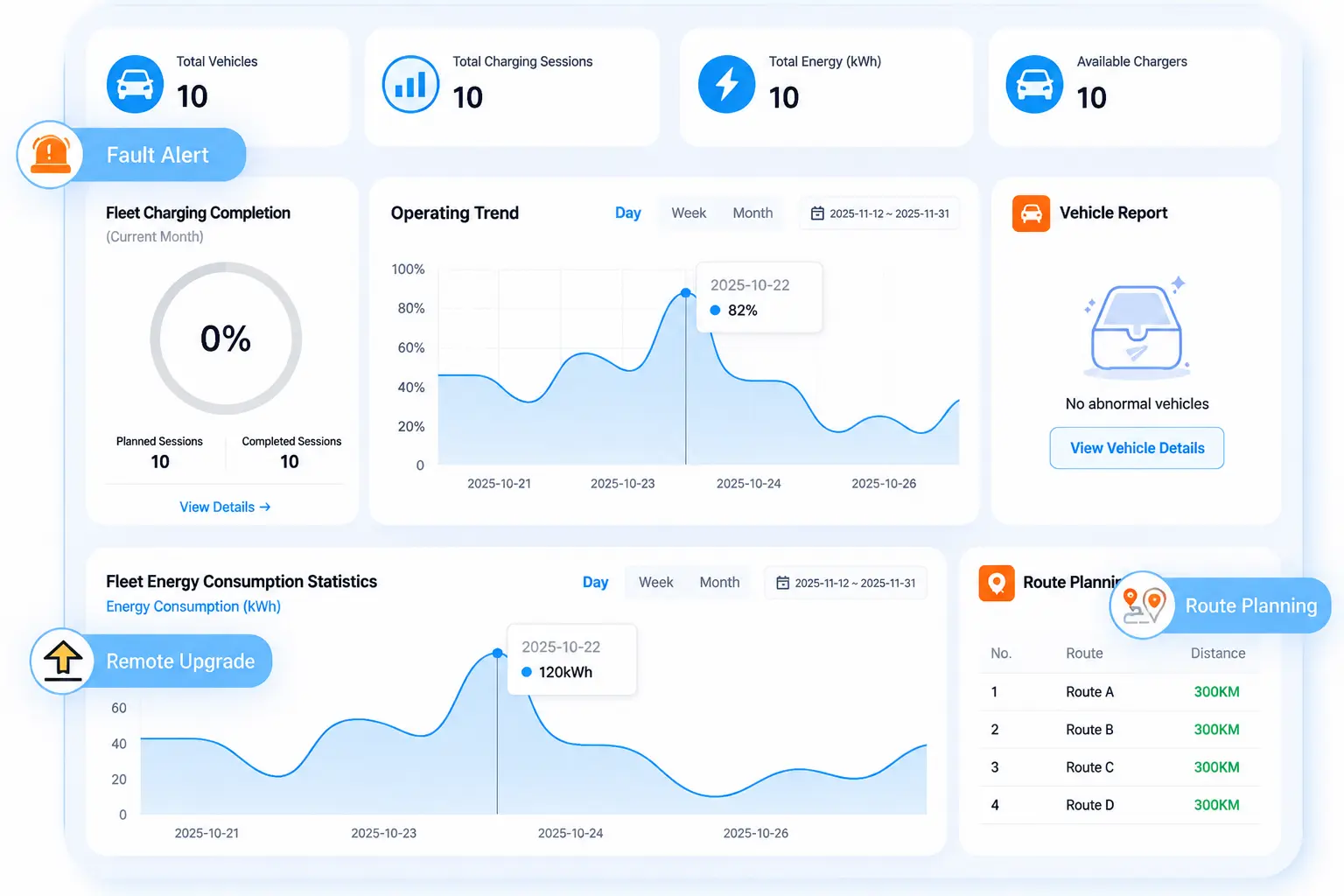
Charging Monitoring & Intelligent Operations and Maintenance
Centralize charging equipment status and operational information so teams can review charging-station performance, identify abnormalities and coordinate maintenance from one platform.
- Charging station status
- Device operating information
- Charging trend visibility
- Exception monitoring
- Operational data overview
- Maintenance support
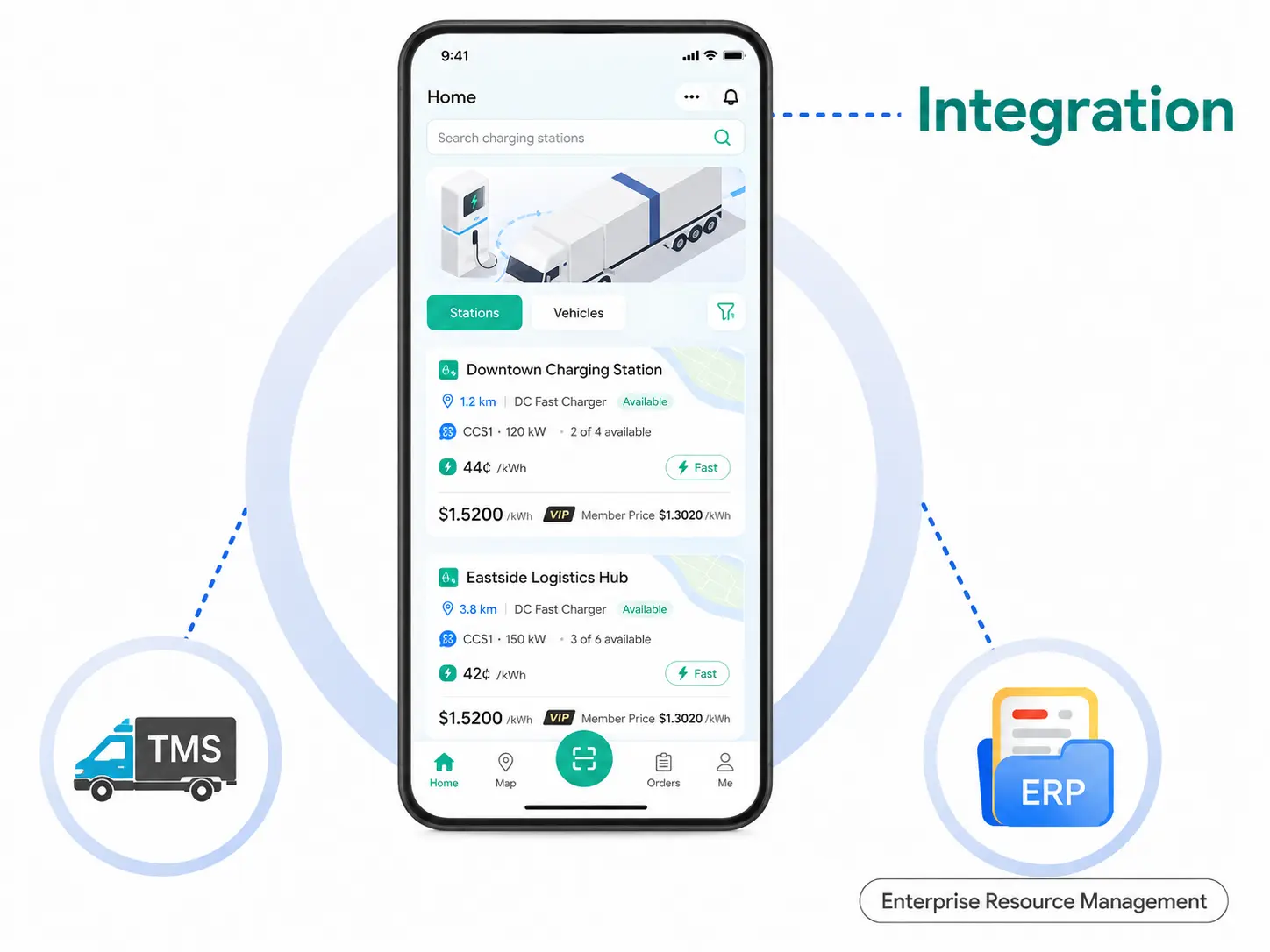
Charging Monitoring & Intelligent Dispatching
Connect charging services with fleet-management and enterprise systems so charging activity can be coordinated with the wider commercial transport workflow.
- Fleet system integration
- TMS connectivity
- ERP connectivity
- Charging service data
- Vehicle operating information
- Dispatch workflow support
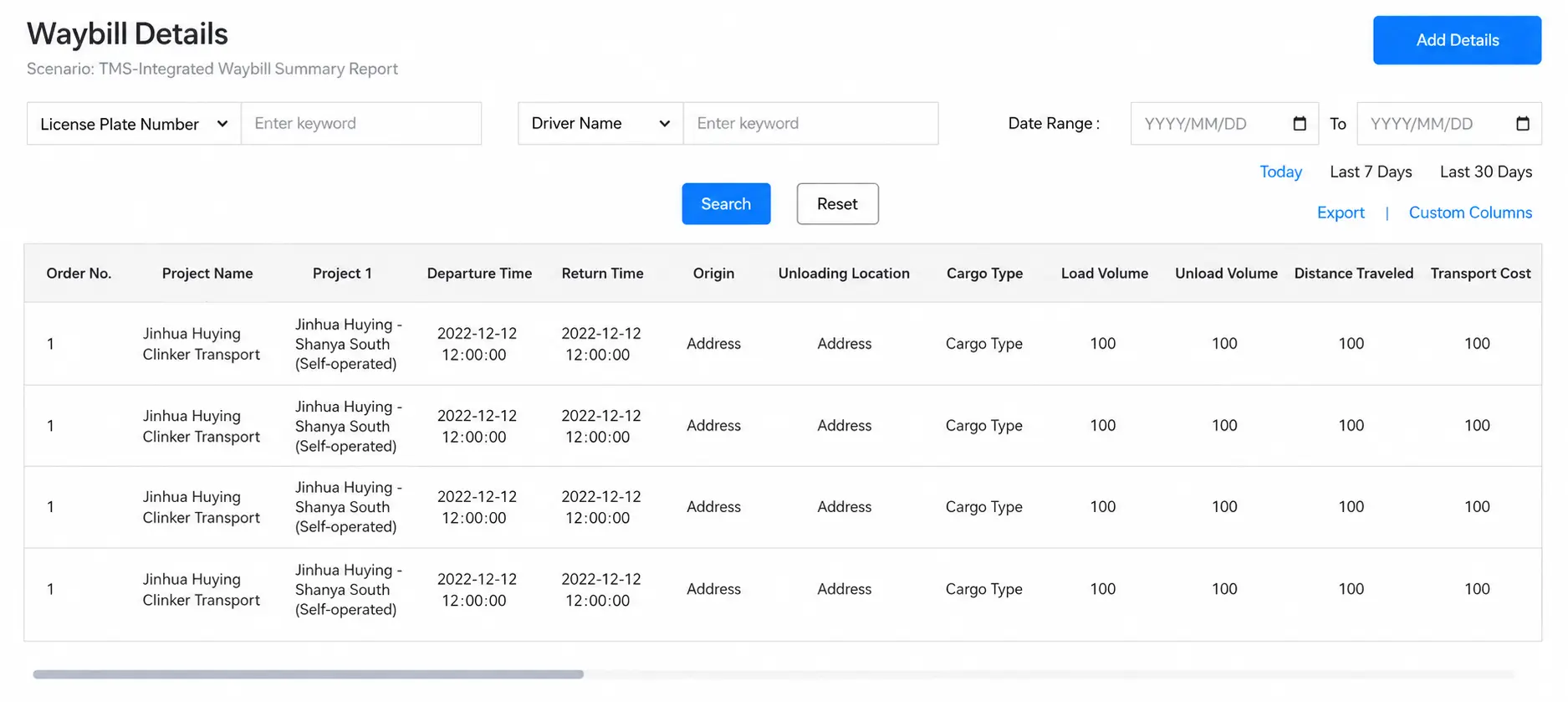
Connect Fleet Tasks With Charging & Dispatch Information
Fleet dispatching can be linked with vehicle, charging and task information so operators have a clearer view of commercial truck operations instead of managing charging independently.
Manage Heavy-Duty Electric Vehicles Throughout Their Operating Lifecycle
Connect vehicle profiles, lifecycle information and abnormal-condition monitoring with charging operations to give fleet teams a more complete picture of each truck.
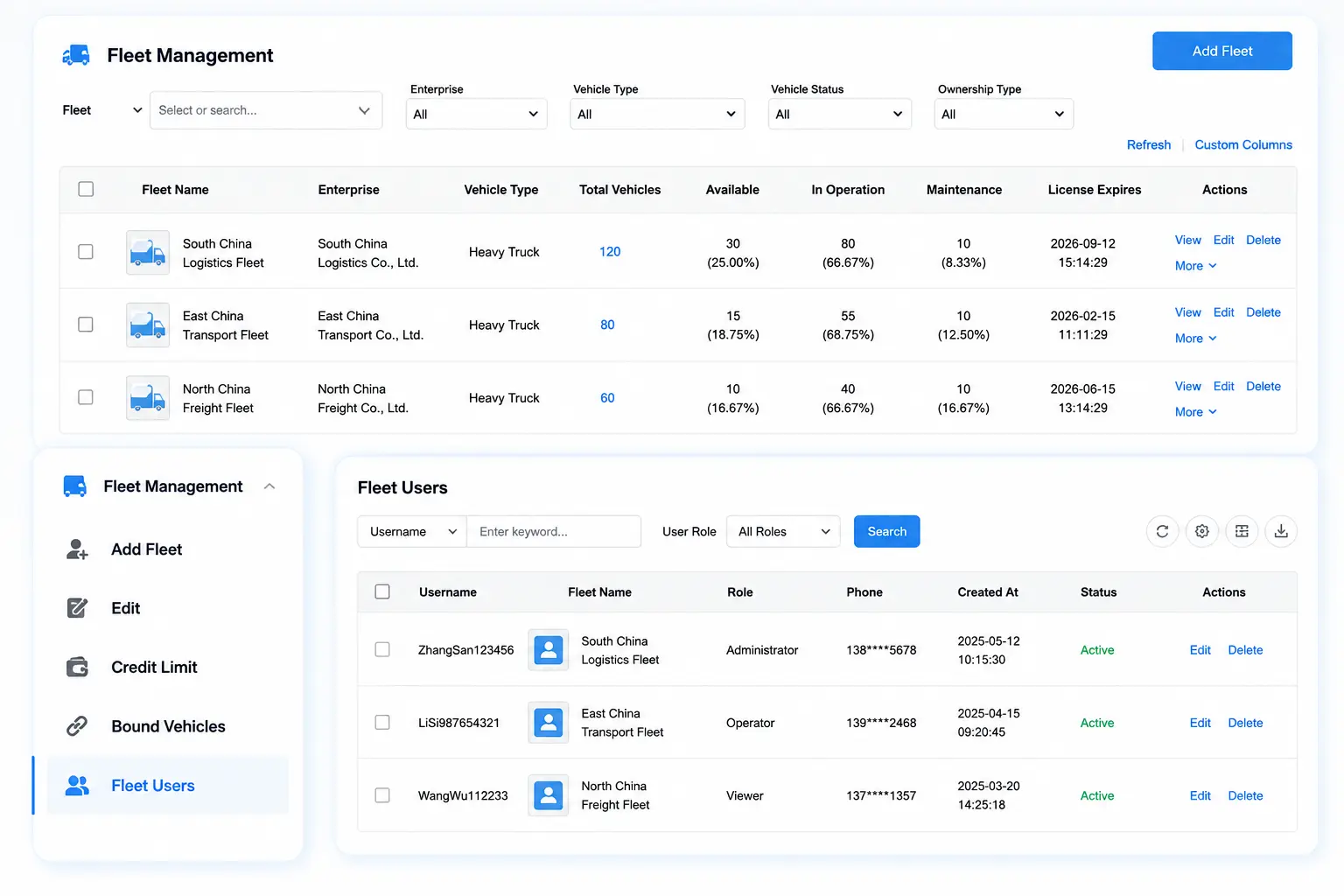
User & Vehicle Management
Organize vehicle profiles and related fleet-user information within one management environment for easier fleet administration.
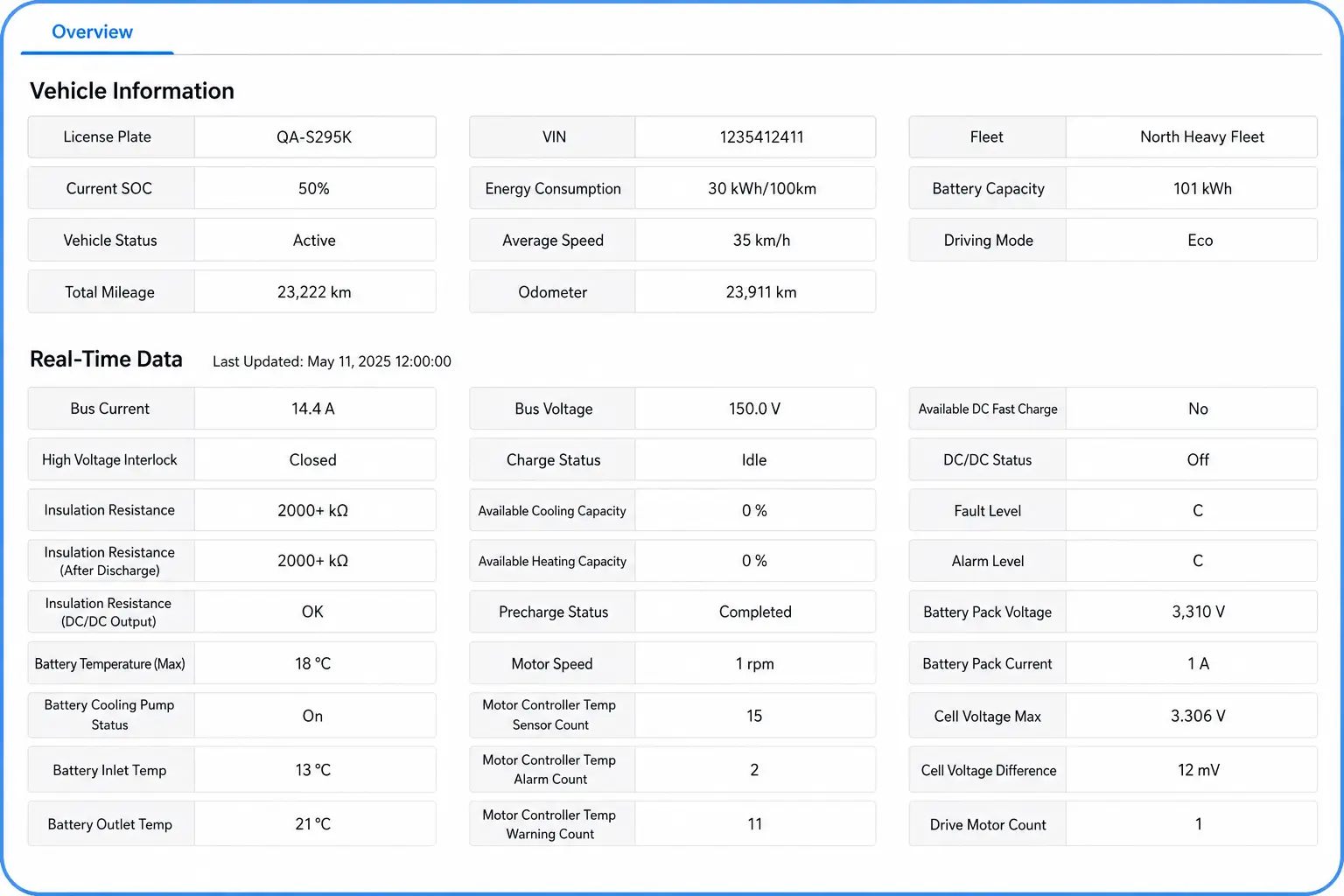
Vehicle Lifecycle Tracking
Maintain structured vehicle information and operating records to support long-term fleet management and vehicle-data traceability.
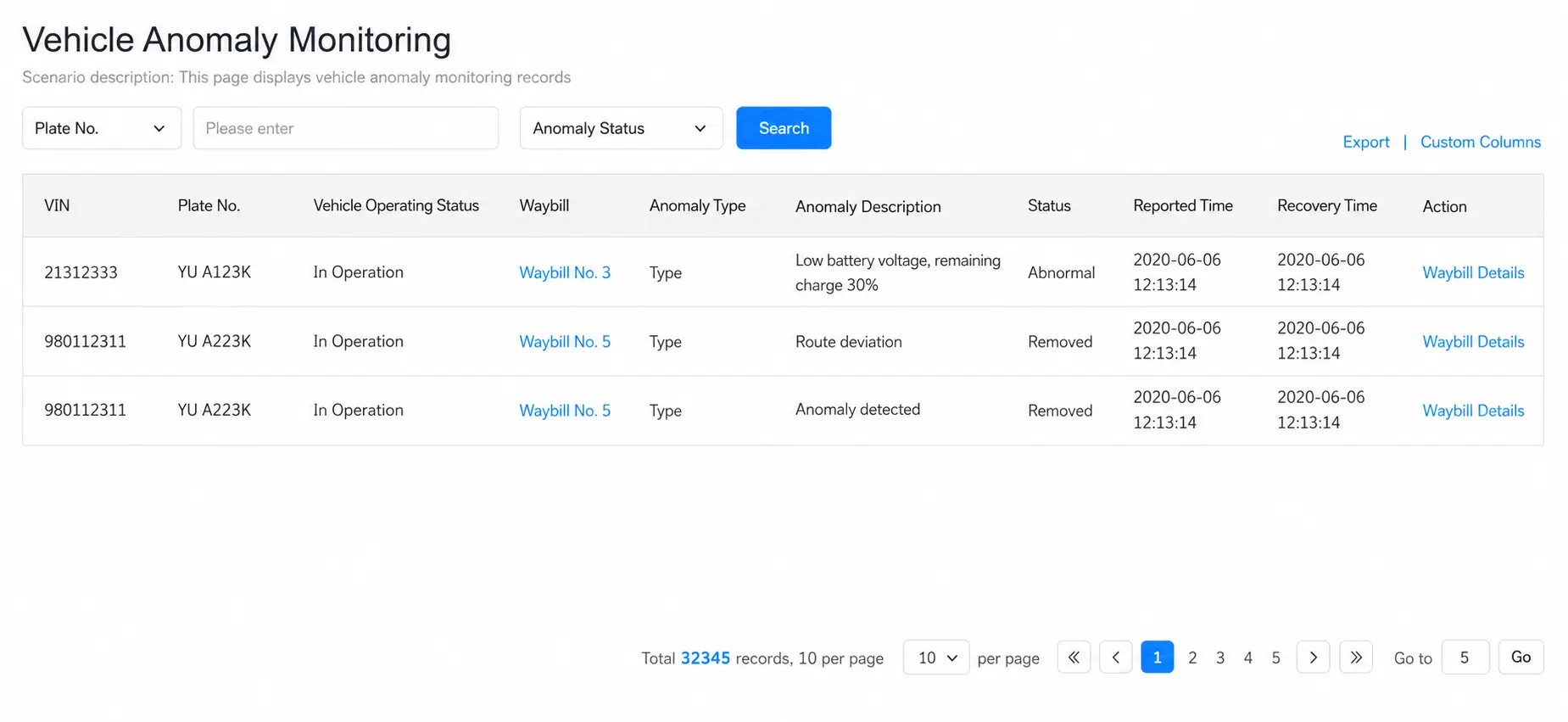
Vehicle Anomaly Monitoring
Review reported vehicle abnormalities and related operational information to help fleet teams identify issues that may affect vehicle availability or charging operations.
Flexible Charging Billing & Settlement for Fleet Operations
Heavy-duty commercial charging may involve internal fleets, external partner fleets and individual charging users. Configure account structures and charging-service billing according to the commercial relationship.
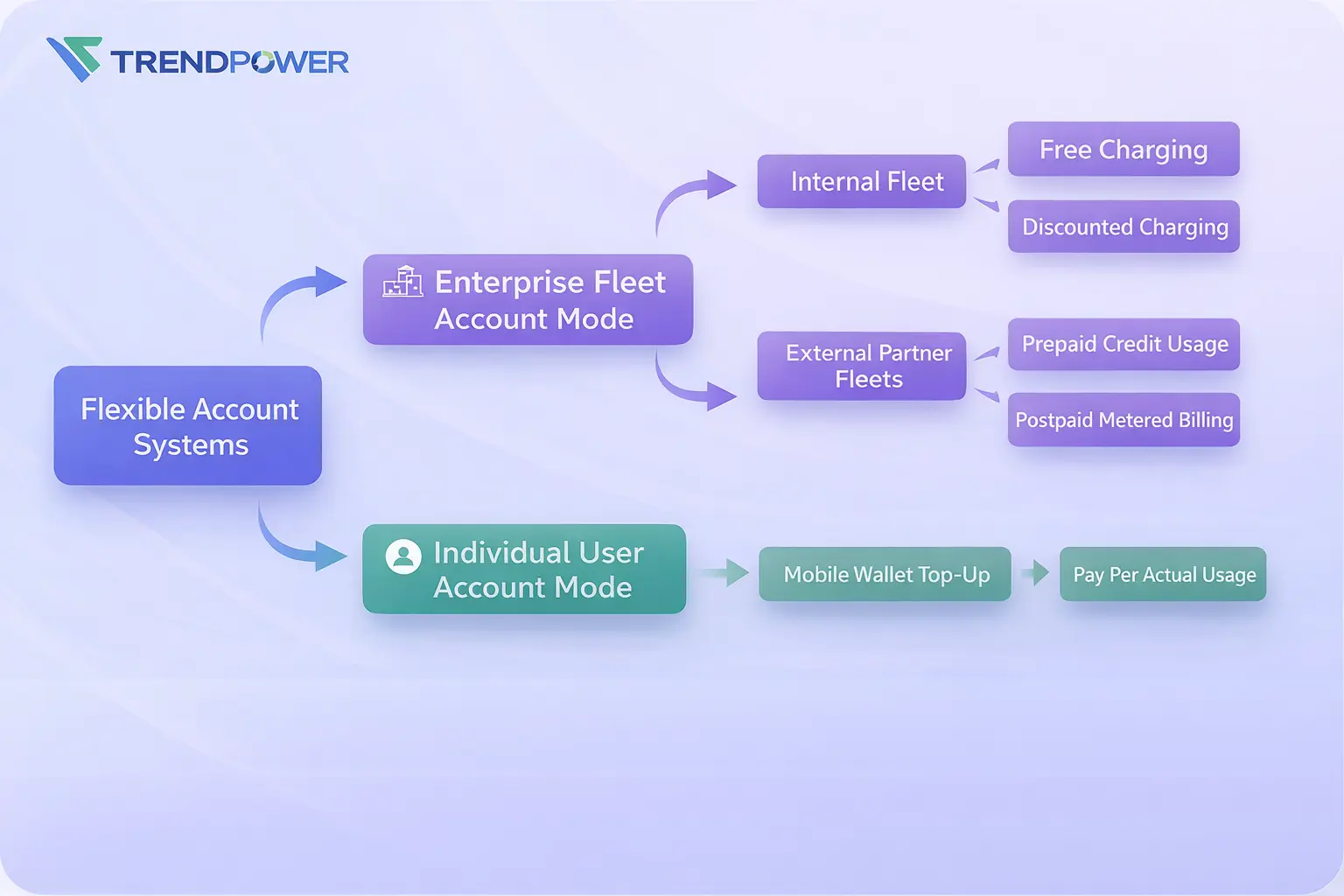
Flexible Billing and Settlement
Configure differentiated commercial policies for internal fleets, external partner fleets and individual users, including project-specific charging and account rules.
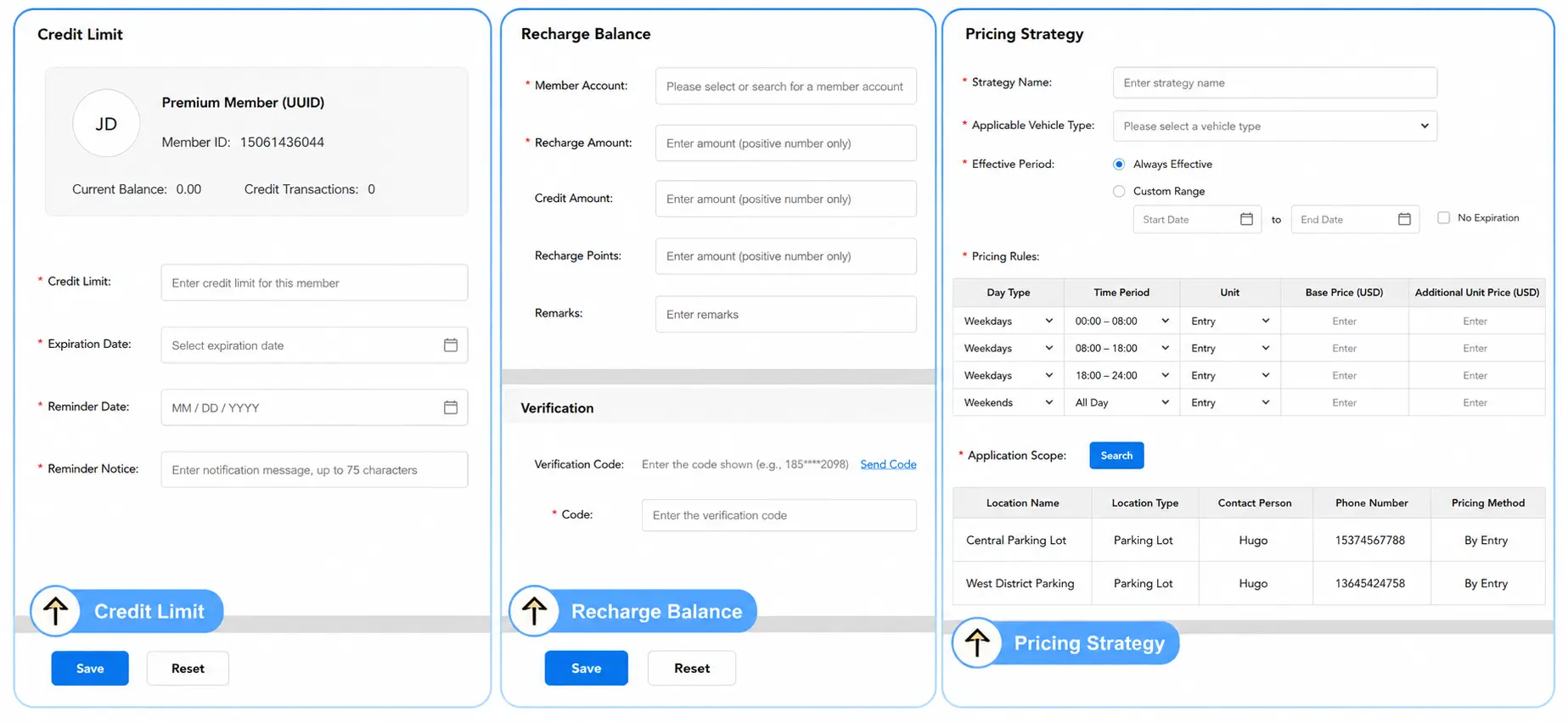
Charging Services Billing System
Connect charging sessions with pricing, account and settlement settings so fleet charging transactions can be managed through a consistent commercial workflow.
Turn Charging Data Into Operational & Financial Insight
Analyze charger utilization, electricity costs and station revenue so operators can understand where charging infrastructure is performing well and where operating costs can be improved.
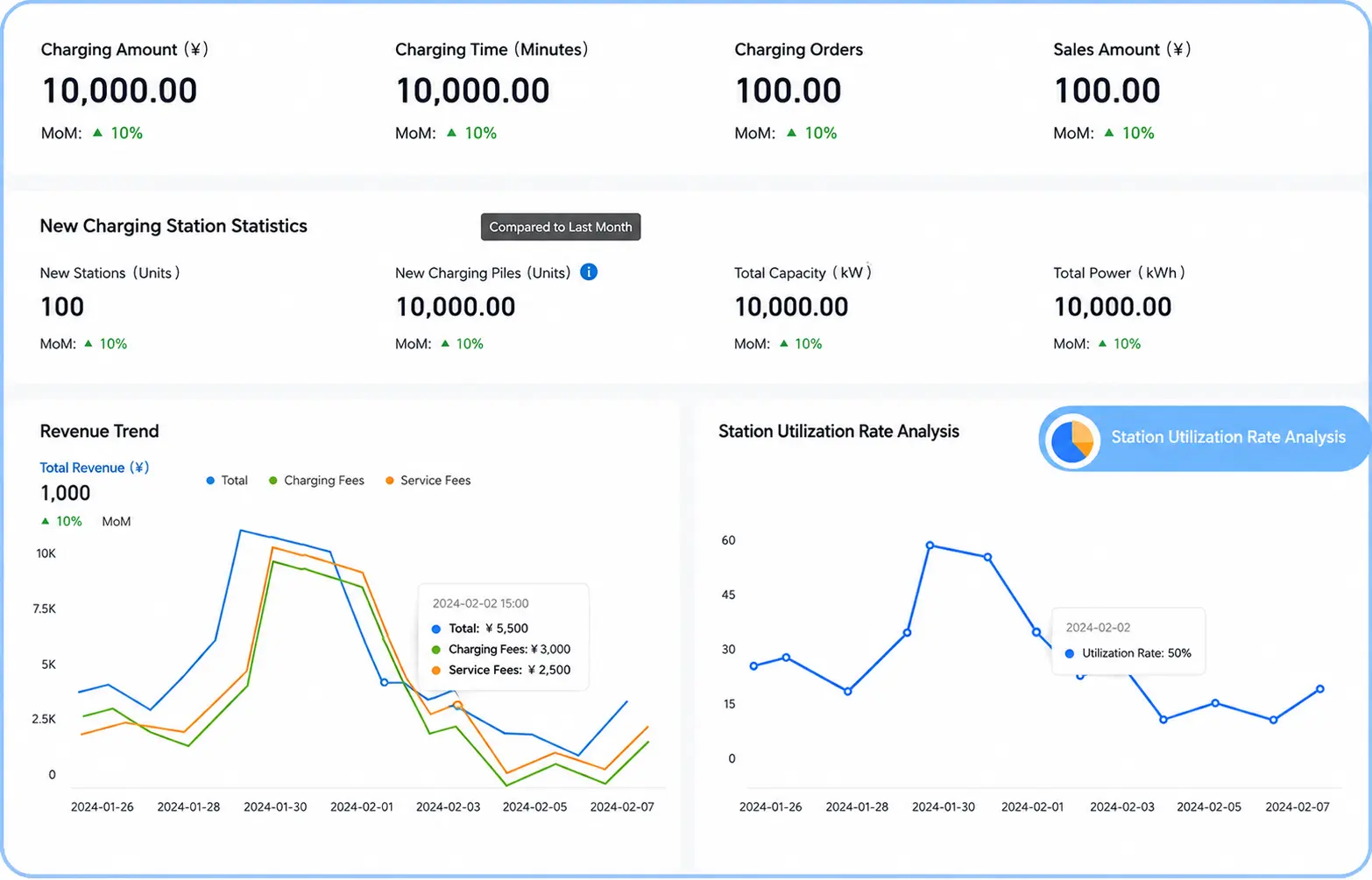
Operational Efficiency Analysis
Analyze charging-station utilization, energy throughput and operating trends to understand how effectively charging infrastructure is being used.
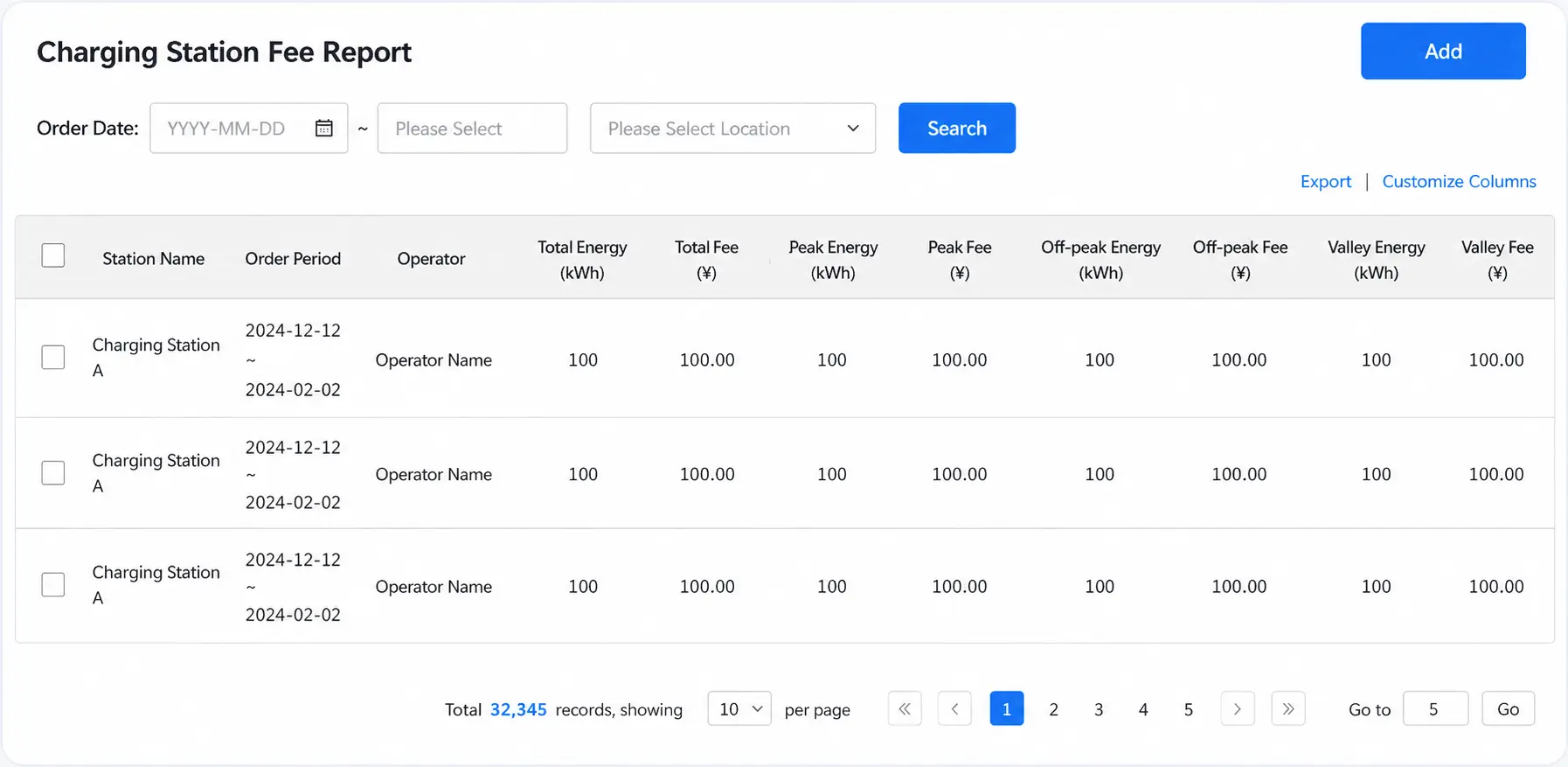
Charging Station Electricity Cost Report
Review site electricity-related data by charging station and reporting period to improve visibility into one of the largest operating costs of high-power fleet charging.
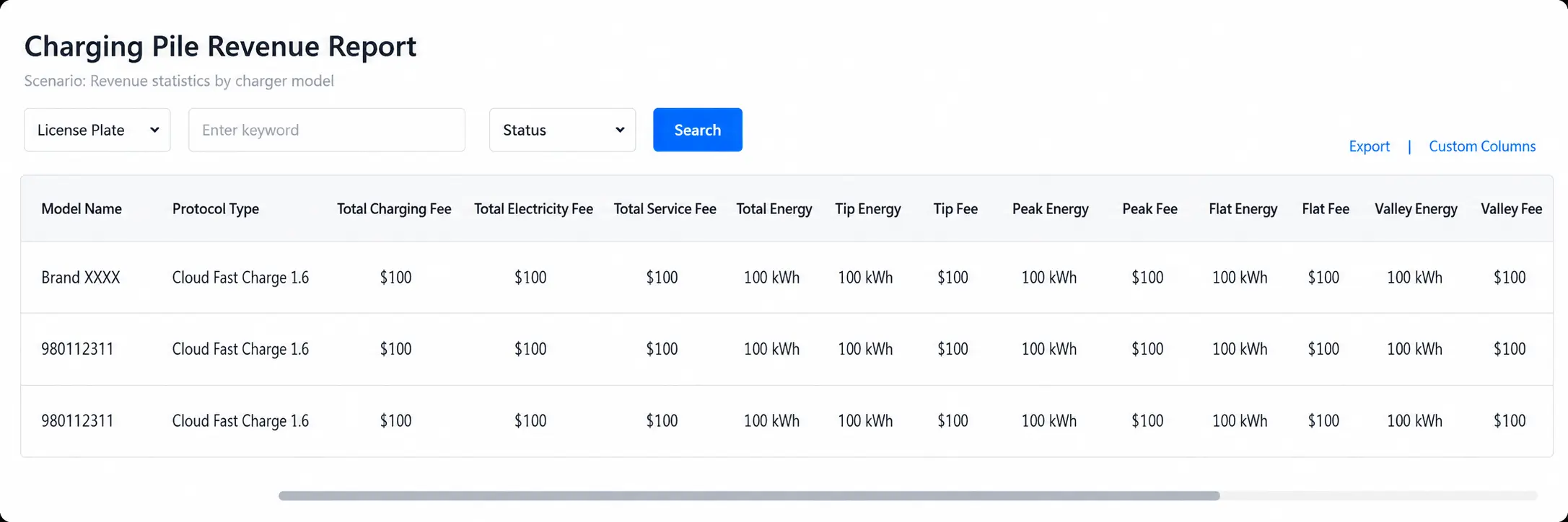
Charging Station Revenue Report
Compare charging-service income across stations and periods to support fleet-charging business analysis, settlement and commercial decision-making.
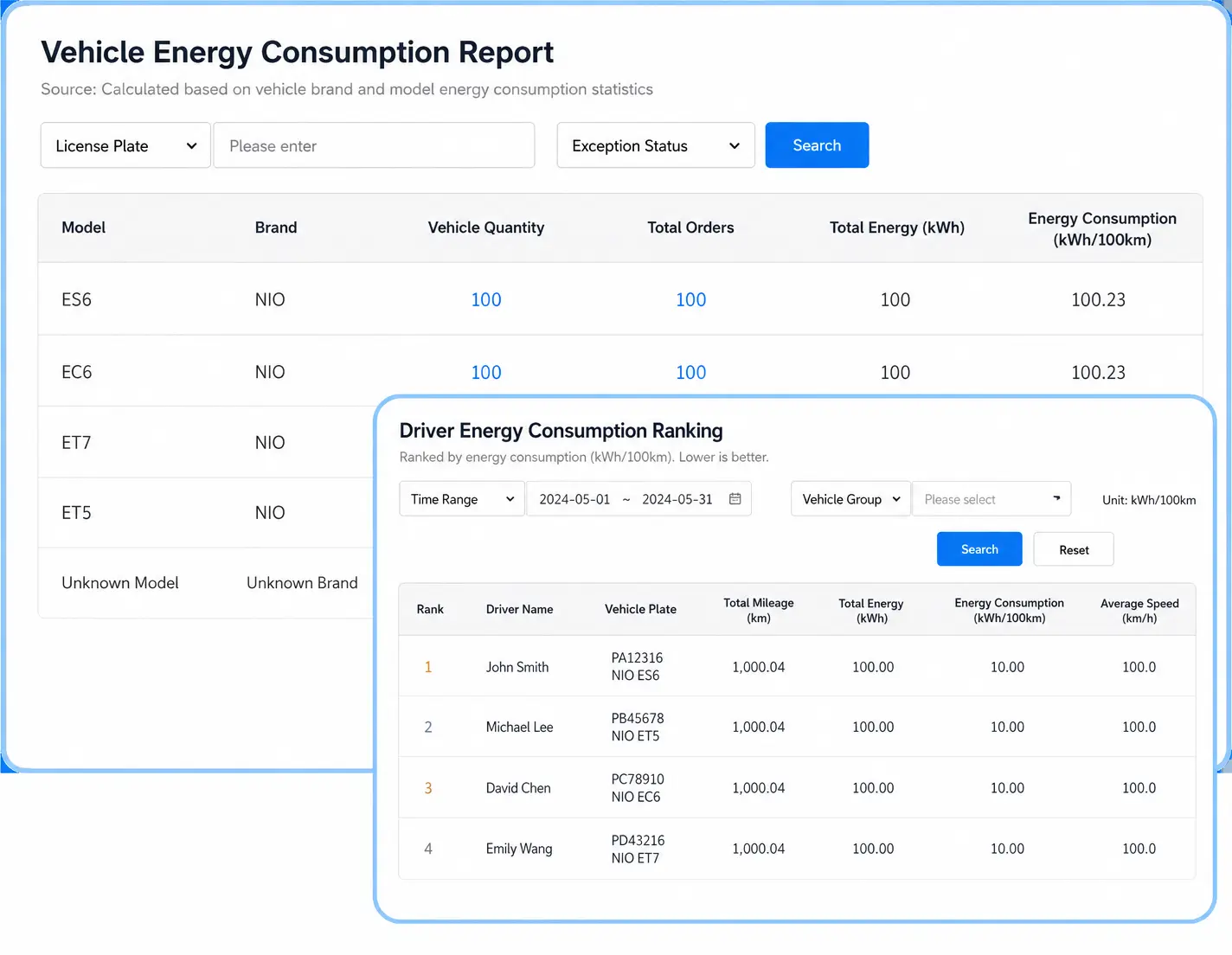
Energy Efficiency Optimization & Cost Control
Combine charging, energy and pricing information to support more informed decisions around charging schedules, station operation and fleet energy costs.
From Vehicle Management to Charging, Billing & Analysis
Connect previously isolated operational steps into one digital workflow so charging activity can support both daily fleet operation and long-term business management.
Manage Vehicles
Organize electric truck profiles, users and fleet-related information.
Coordinate Dispatch
Connect vehicle and transport information with charging operations.
Monitor Charging
Track charging equipment, sessions and relevant operating data.
Bill & Settle
Apply account and charging-service billing rules to completed sessions.
Analyze Performance
Review utilization, costs, revenue and efficiency for future optimization.
Why Fleet Operators Need More Than Basic Charger Monitoring
A commercial heavy-duty charging operation involves vehicles, charging infrastructure, commercial accounts and energy costs. Managing them together provides a clearer operating picture as fleets and charging networks expand.
Improve Fleet Visibility
Bring vehicle-management and charging information into a more unified operating environment.
Improve Charger Availability
Use equipment monitoring and anomaly information to support faster charging-station operations and maintenance.
Simplify Fleet Settlement
Configure account and billing rules for different fleet and charging-service relationships.
Control Operating Costs
Compare utilization, electricity costs and revenue using structured charging-operation reports.
Heavy-Duty EV Charging for Commercial Fleet Operations
Configure fleet charging software around private depots, logistics hubs, industrial transport and commercial truck charging networks.
Logistics & Delivery Fleets
Connect vehicle operations, depot charging and transport workflows for fleets operating on regular delivery schedules.
Private Fleet Depots
Centralize heavy-duty truck charging, vehicle information, station monitoring and fleet billing.
Truck Charging Stations
Manage commercial truck charging, external fleet accounts, billing, electricity costs and station revenue.
Ports & Industrial Parks
Connect internal transport fleets, heavy-duty chargers, operational reporting and site-energy management.
What Should Be Defined Before Building a Fleet Charging Platform?
Heavy-duty truck charging projects can vary significantly by vehicle, charger, transport workflow, commercial model and electrical infrastructure. Defining these requirements early makes integration planning more efficient.
Need Vehicles, Chargers, Billing & Operating Data to Work Together?
Tell TRENDPOWER about your electric truck fleet, charging hardware, transport workflow, billing model and energy-management requirements. Our team can help define the software and integration scope for your heavy-duty charging project.
Heavy-Duty Truck Charging Fleet Management FAQ
Answers about electric truck charging management, fleet operations, vehicle monitoring, charging billing, dispatching, analytics and energy-cost control.
What is a heavy-duty truck charging fleet management system?
It is a software platform used to connect commercial electric vehicles, charging infrastructure, fleet operations, billing and operating data. It helps fleet and charging operators manage heavy-duty EV charging through a centralized system.
What functions does TRENDPOWER provide for heavy-duty fleet charging?
The solution includes charging monitoring, intelligent operations and maintenance, dispatching integration, user and vehicle management, vehicle lifecycle tracking, anomaly monitoring, flexible billing and settlement, station reporting and operational-efficiency analysis.
Can the platform manage both vehicles and charging equipment?
Yes. The solution can combine vehicle-management workflows with charging-equipment and charging-session management. The available vehicle data depends on the truck, telematics system and project integration interfaces.
Can TRENDPOWER integrate with TMS or ERP systems?
Project-specific integration can be planned for transportation management systems, ERP platforms and other enterprise systems according to available APIs and required business workflows.
Can different fleets use different charging billing rules?
Yes. The platform can support differentiated billing and account structures for internal fleets, external partner fleets and other project-defined charging users.
What charging-station financial reports are available?
The solution can provide reports and analytical views related to charging-station electricity costs, charging revenue and operational performance according to the configured project scope.
How does operational efficiency analysis help fleet charging operators?
Operational analysis can help operators understand charger utilization, energy throughput, operating trends and station performance so future charging infrastructure and operating strategies can be based on actual data.
Can the system help control heavy-duty fleet charging costs?
The platform can improve cost visibility by connecting electricity-cost reports, station revenue, charging data and operational-efficiency analysis. Actual savings depend on local tariffs, site capacity, fleet schedules and the adopted operating strategy.
Can existing heavy-duty EV chargers be integrated?
Existing charger integration can be evaluated according to the charger model, communication protocol, firmware implementation and functions required by the project.
Is the solution suitable for logistics fleets and private depots?
Yes. Typical applications include logistics fleets, commercial truck depots, industrial parks, ports and heavy-duty charging locations that need centralized vehicle, charging and business management.
Can the platform support multi-site fleet charging operations?
Multi-site architecture can be planned for operators managing multiple fleet depots or charging locations, including centralized operating, billing and reporting requirements.
What information should I provide before requesting a solution?
Useful information includes fleet size, truck models, charger models and power ratings, communication protocols, existing fleet systems, dispatch workflows, billing requirements and site electrical capacity.
Build a Heavy-Duty EV Charging Platform Around Your Fleet Operations
Connect vehicles, charging infrastructure, dispatching, billing, station analytics and energy-cost management through one platform designed around your commercial fleet requirements.
 EN
EN  ZH
ZH  AR
AR  DE
DE  ES
ES  KO
KO  JA
JA  IT
IT  FR
FR  VI
VI  MS
MS  ID
ID  FR_CA
FR_CA  NL
NL  SV
SV  EN_GB
EN_GB  TH
TH